

Where All Good Location Scouts Go When They Die


The Old West as Outer Space. The rocks’ visuals are of jutting planes apparently defying the normal geometries of gravity: like a Bierstadt landscape, hung crooked on the wall.


Unsettled, is built into the suspenseful psychology of the scenery.


Surely, any characters beamed into this disjointed landscape must be in tension themselves; on the brink; at a tipping point.


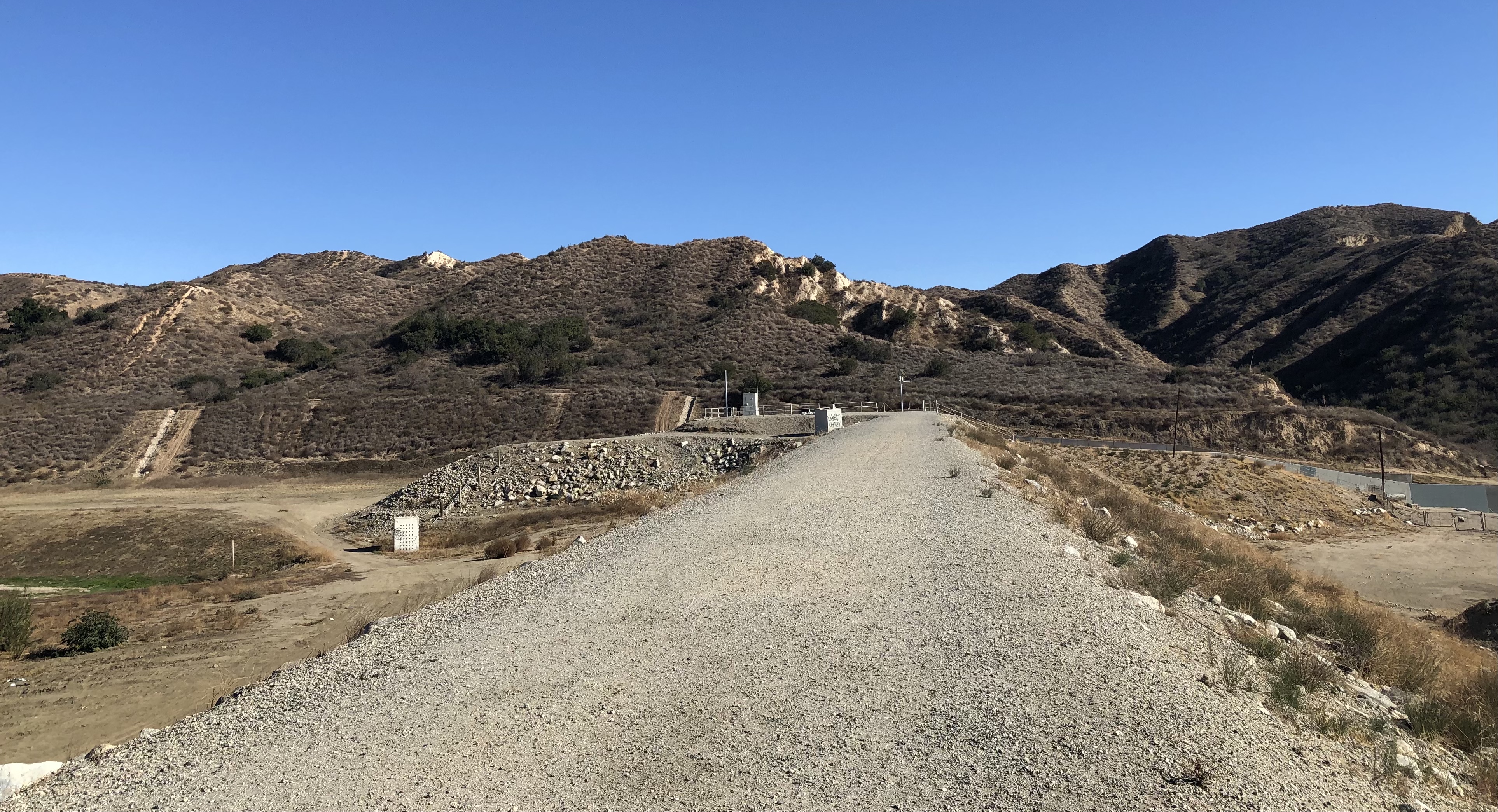
Today it is a Los Angeles County Park; 1,000 acres spread across 20 million years. The lay of the land is a north-facing slope with a series of hog-back ridges poking up through the slope. North-facing slope means shade, which prospers old-growth mosses and lichens, in dazzling variety.


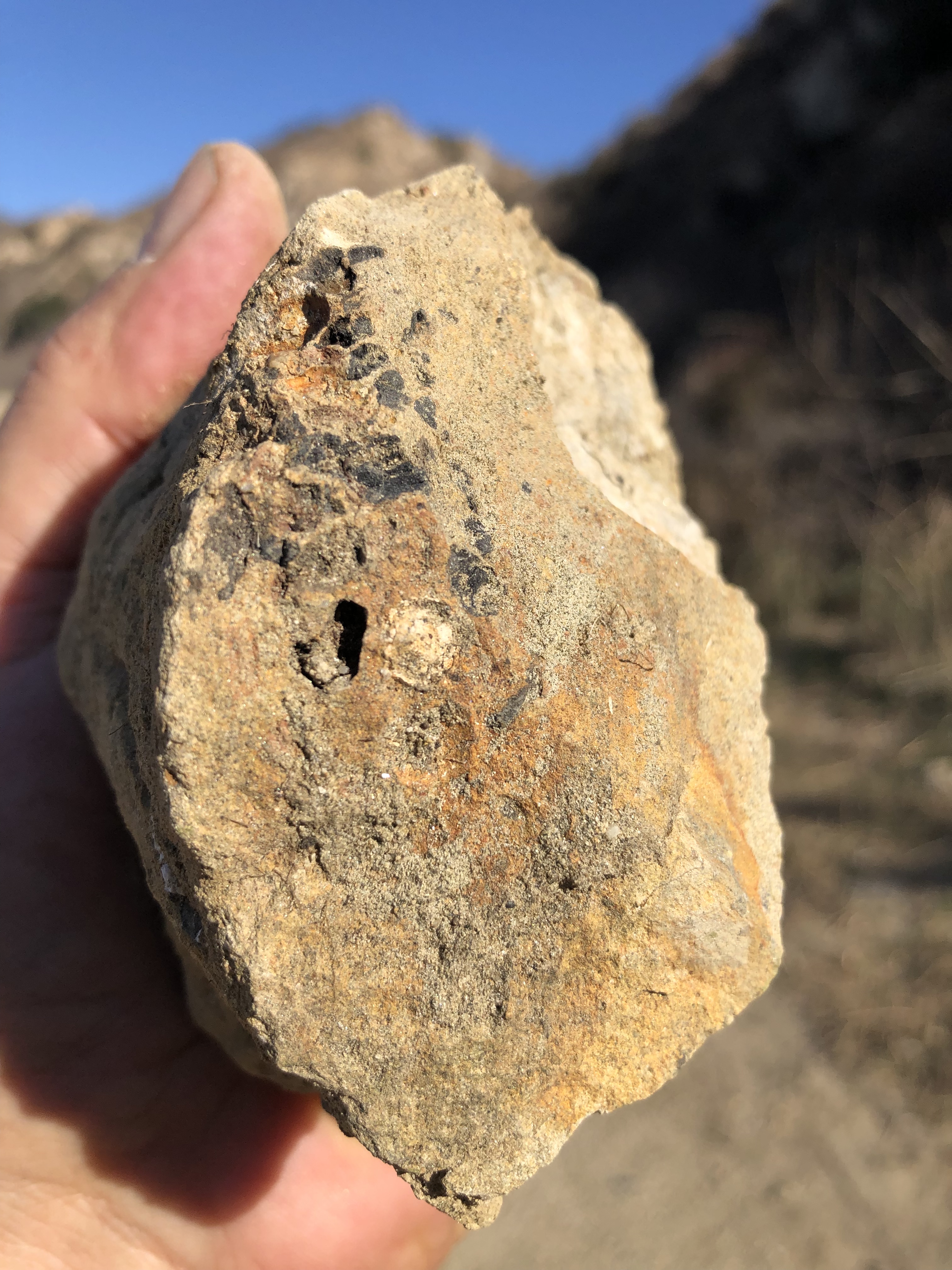
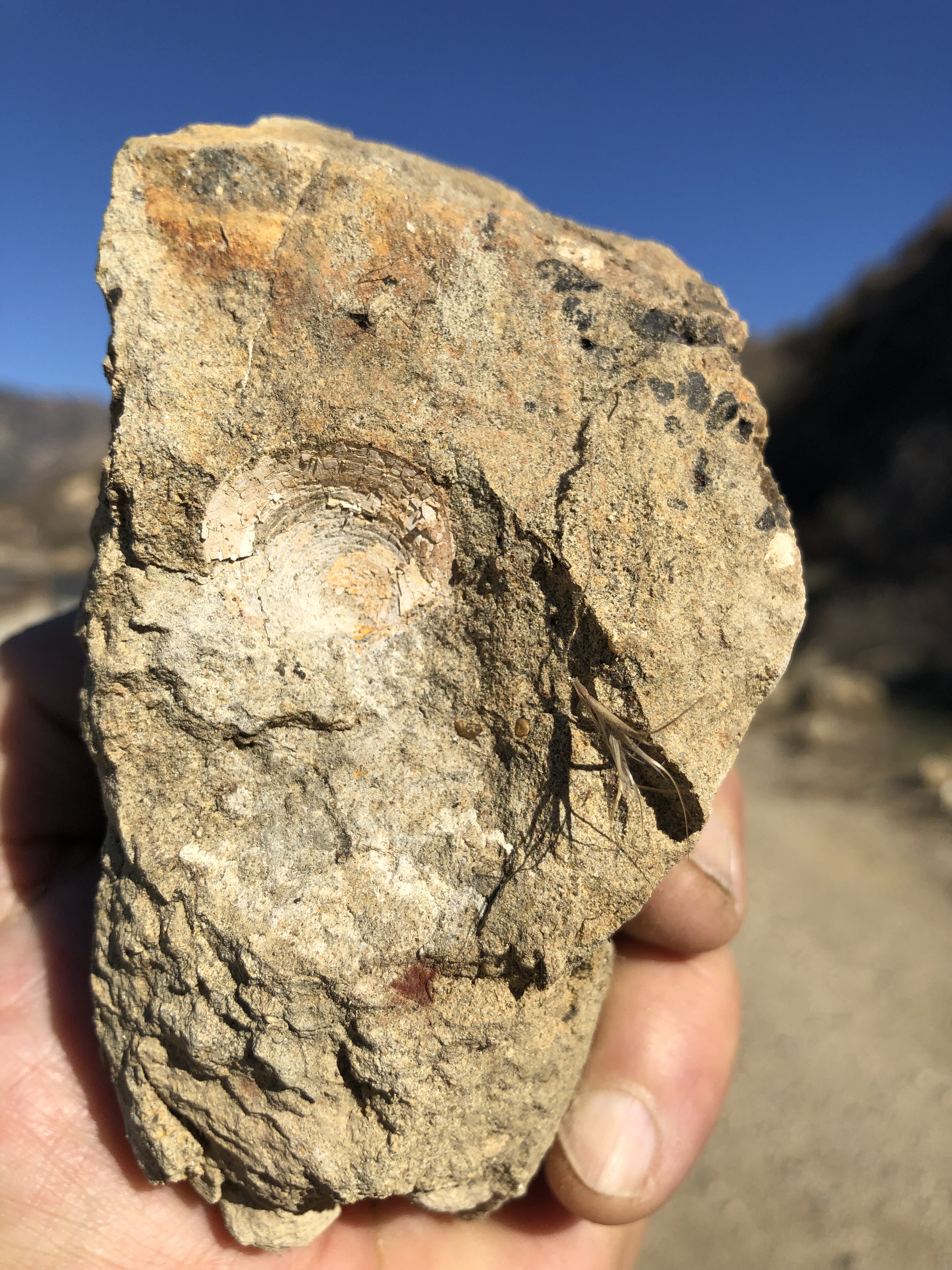
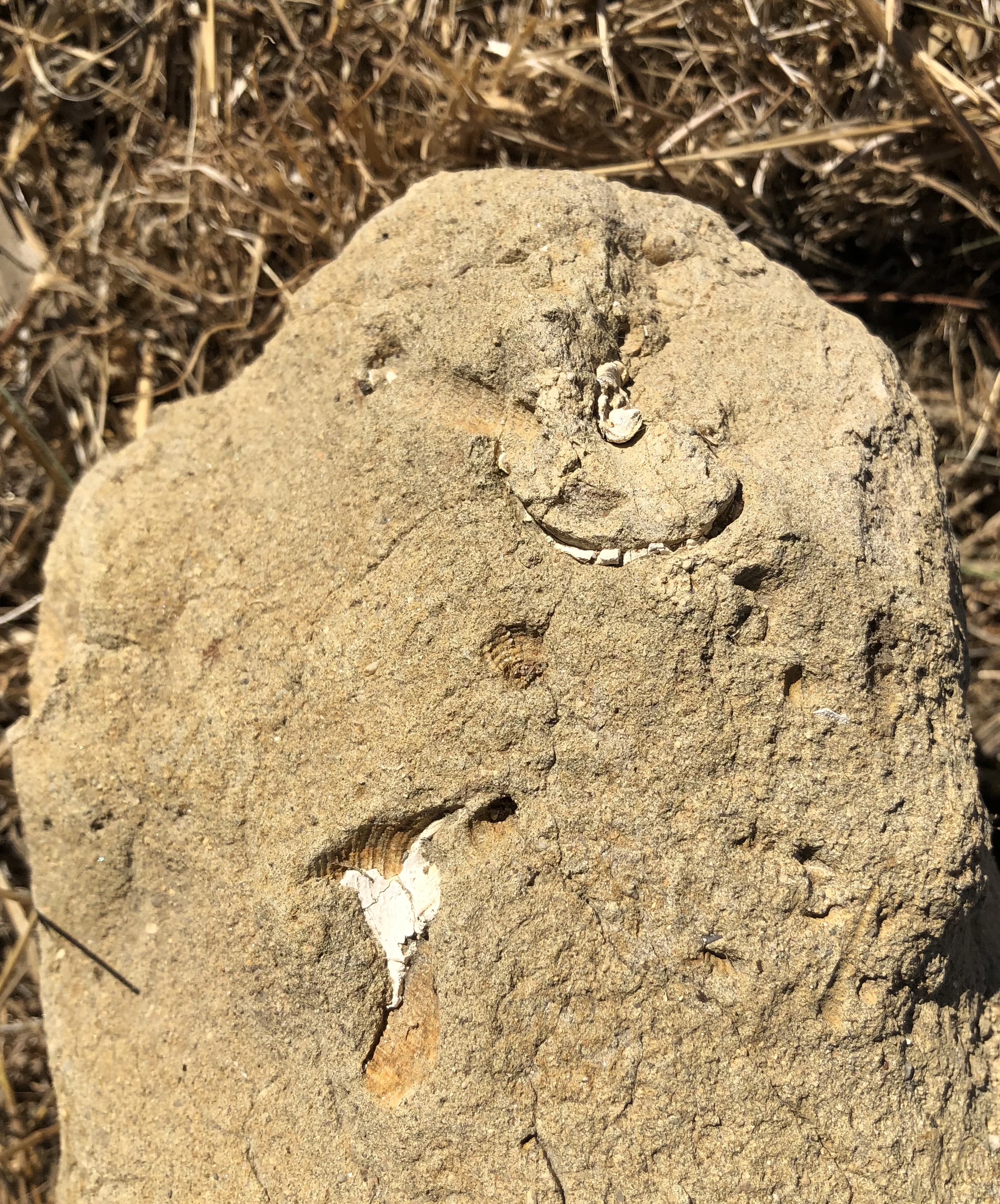
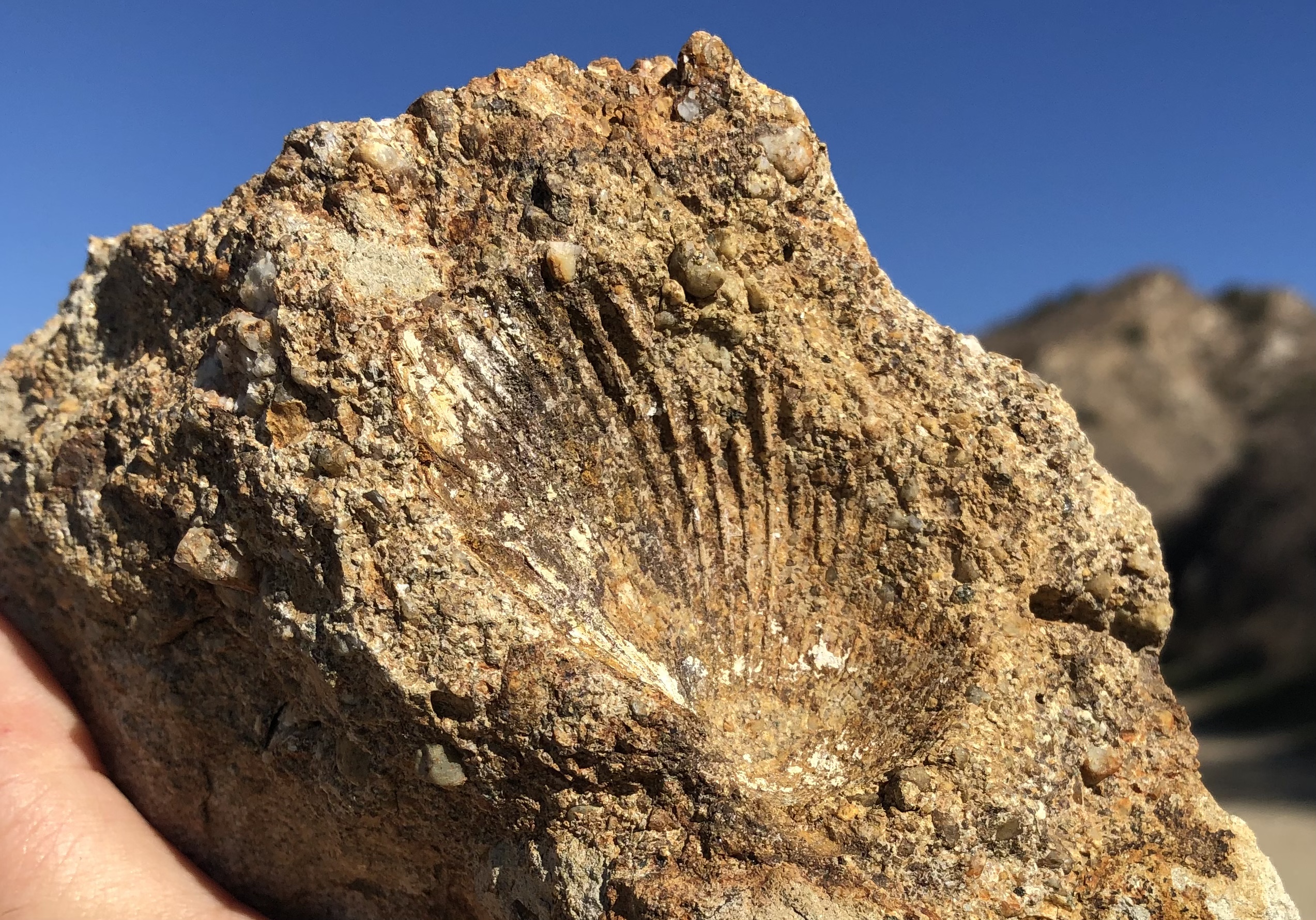
The sedimentary layers are similar to those in the Valley. The alluvia laid down as sea, estuary, or bay floor make a beautiful sequence of inter-fingered sandstones, siltstones and mudstones. Then, the layers were crunched up into folds and anticlines by compression (between the Pacific and the NA Plates). Then the land got pulled back – extension – and a rift formed. Wet sands were intruded from below by volcanic metamorphic magma. Uplift out of the sea followed, and the hogbacks of harder rock emerged out of differential erosion of the softer rock.

The regional tectonic story is the breakout of the San Andreas Fault. This occurred when the compressive force of the Pacific Plate, partially sliding under the old Rodinian Riviera at what is now San Gabriel Fault, jammed. The old seaward faults (those in LA, e.g.) had been sutured into a mass riding atop the Pacific Plate. The tectonic border moved inland, which became our current plate boundary, the San Andreas Fault, with its dextral strike-slip. (The ’Great Bend’ in the San Andreas is just a few miles northeast of Vasquez Rocks.) Sadly, though unsurprising to me at this point, the visitors center contained no information whatsoever about the geology of the area. Anyone coming to the site of Vasquez Rocks to learn about Vasquez Rocks, will be disappointed.


Above: scrub oak, Quercus dumosa.

It is one of the most fragrant parks in So Cal, thanks to the junipers. Fun Fact: that’s mistletoe dangling from the branches. Who knew it favored juniper?


There is a commendable but basic exhibit on the Tataviam, the northern part of whose territory included this gorgeous place. But it is a general cultural overview, with nothing about how or when or why they used this particular site. There are what looked like Chinigchinich-religion-inspired wall paintings on a rock near the entrance, including the Centipede character. I don’t know whether the figures are genuine or graffiti, or what artifacts archaeologists might have found so far.


Why is it called “Vasquez Rocks?”
”Vasquez Rocks” got the name in the 1860s-70s, when the ”gentleman bandit” Tiburcio Vasquez camped here as a hideout. The bandido’s suave Monterey manners, fluency in English, and fine connections among good Californio families give his legend an undeserved air of grace. Certainly he was handsome and of fine carriage; hearing he might be near would cause local girls’ hearts to swoon. Envious or disaffected young men among the lower classes took him for a revolutionary emblem, a folk hero fighting against the Yankee oppressors. This was the defense Vasquez used at his trial: he claimed he did it all as a freedom fighter for California. But there’s not a thing in it; Vasquez’s decades-long string of petty robberies and random hold-ups, interrupted twice by stints in San Quentin, add up to nothing but pointless and not very profitable thuggery. Honestly, he seemed to be in it for the girls — which is how he was caught. He was canoodling with local girls while holed up in Greek George’s adobe, on what is today’s Sunset Strip in West Hollywood.


The posse kept surveillance on Vasquez while he was at Greek George’s (somewhere around the Sunset Tower?), from view-points in Nichols Canyon. Vasquez was held in LA for a week, while adoring senoritas crowded the jail, sang to him, and pleaded for his release. He wrote favored girls little love-verses. He was moved upstate and tried in San Jose, and executed in 1874.














 The Valley Village View