Welcome to the blog of writer and musician Andrew Martin. Here I'll post original photographs and observations as I encounter the history and culture of the San Fernando Valley, the City of the Angels, Alta California and the far-flung Pacific Rim… but mostly the Valley.
Fans of LA architecture, as of LA geology, must kneel to a brutal truth: here today, gone tomorrow. Please appreciate the former Sunkist Growers’ Headquarters Building (1969; A.C. Martin and Assoc., arch.), while ye may. She will never again be a prominent landmark, since the parking lots that surround the building are being developed into a massive new mall.
Mid-November; an underground parking lot is being made out of the old loading dock. (A good idea. A much better idea would have been to ban cars from the campus entirely and use that portal for transit to give the development a “Sunkist Station”stop. Na ga happen.
Strange But False: Despite the anecdotes, the Sunkist Building wasn’t meant to look like an orange crate, or a wine crate, or even a milk crate. It seems the design was purely an economical way to house and park xxx workers in x,xxx square feet. It’s also not true that Sunkist wanted to be near the Valley orange groves, or to honor the rich fruit-packing history of Van Nuys. The groves and packers by 1969 were already mostly gone, and the site was selected because it was cheap empty suburban land near a new freeway. Finally false, and for the same reasons, is the idea that when Sunkist abandoned this site for their new HQ in Valencia, they were following the orange growers, or honoring the namesake LA citrus variety that made their fortune. Nobody in the organization apparently gave a thought to Valenicia, the city, as related to its product. (Sunkist is a corporation, even if it was founded by farmers.)
Below: Dec. 2019. This was after Sunkist had moved out, but the building was still intact with the original plantings.
Brutalism, that ghastly concrete corporate 1960’s-1980’s mistake, was mellowed here by an elegant and austere classicism. That drawn-in waist; she courts the eye with that Grecian bend. In the 1970s, when Sunkist Building was a landmark visible from the freeway, it subtly “matched” the craggy white slate hills of Sherman Oaks. (Thought I doubt that fitting in with local geology was intentional.)
At any rate, it seems they intend to keep the building and its courtyard as the center for the mall. A noble choice for this lovely site.
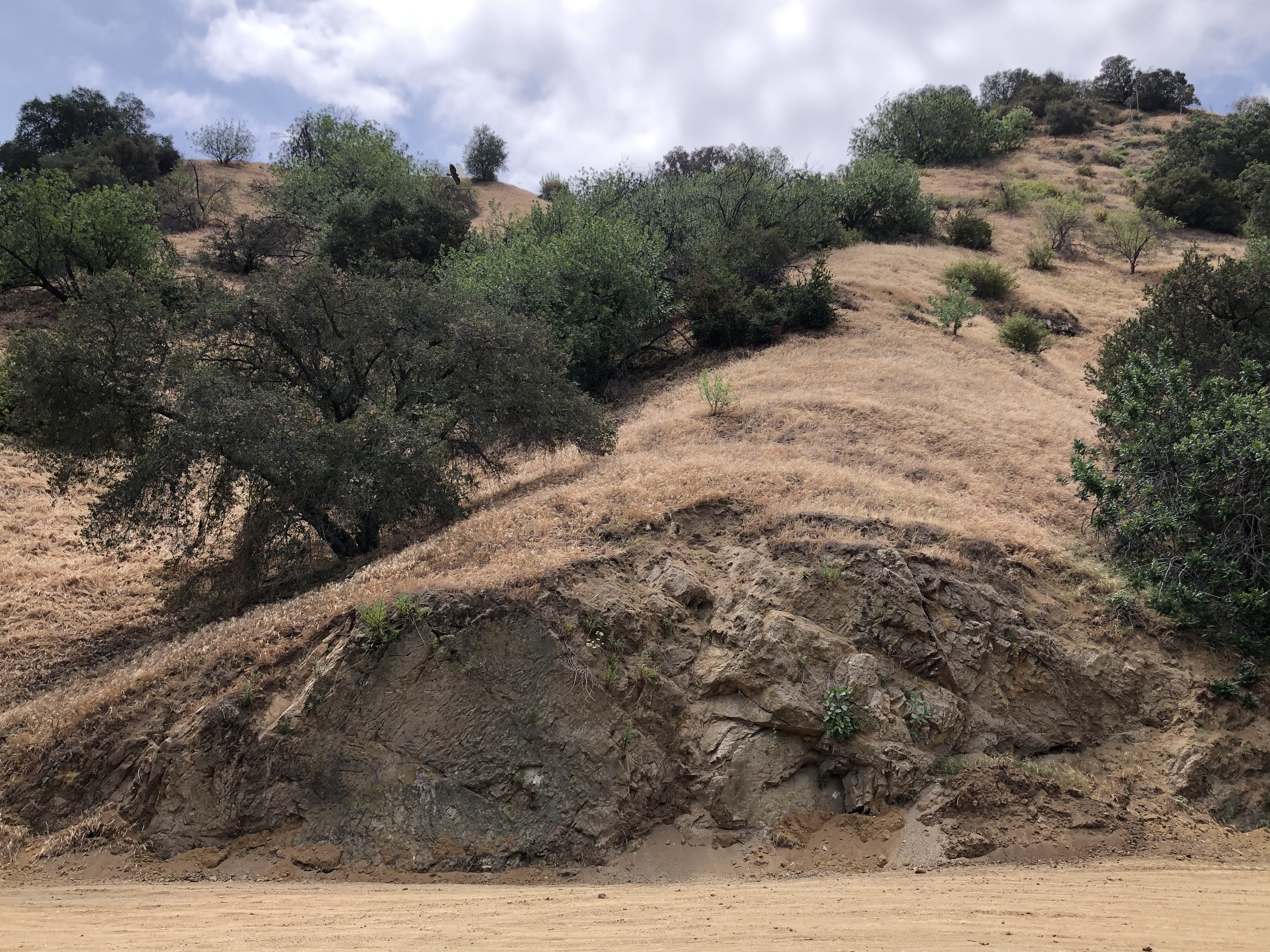
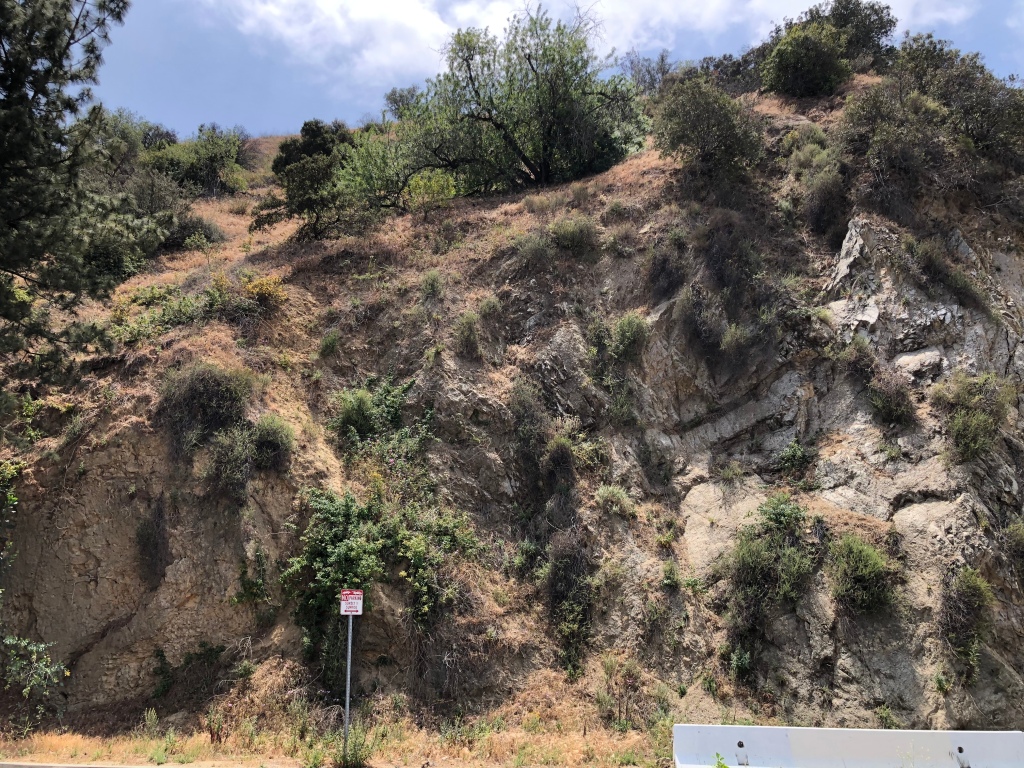
The Old West as Outer Space. The rocks’ visuals are of jutting planes apparently defying the normal geometries of gravity: like a Bierstadt landscape, hung crooked on the wall.
Unsettled, is built into the suspenseful psychology of the scenery.
Surely, any characters beamed into this disjointed landscape must be in tension themselves; on the brink; at a tipping point.
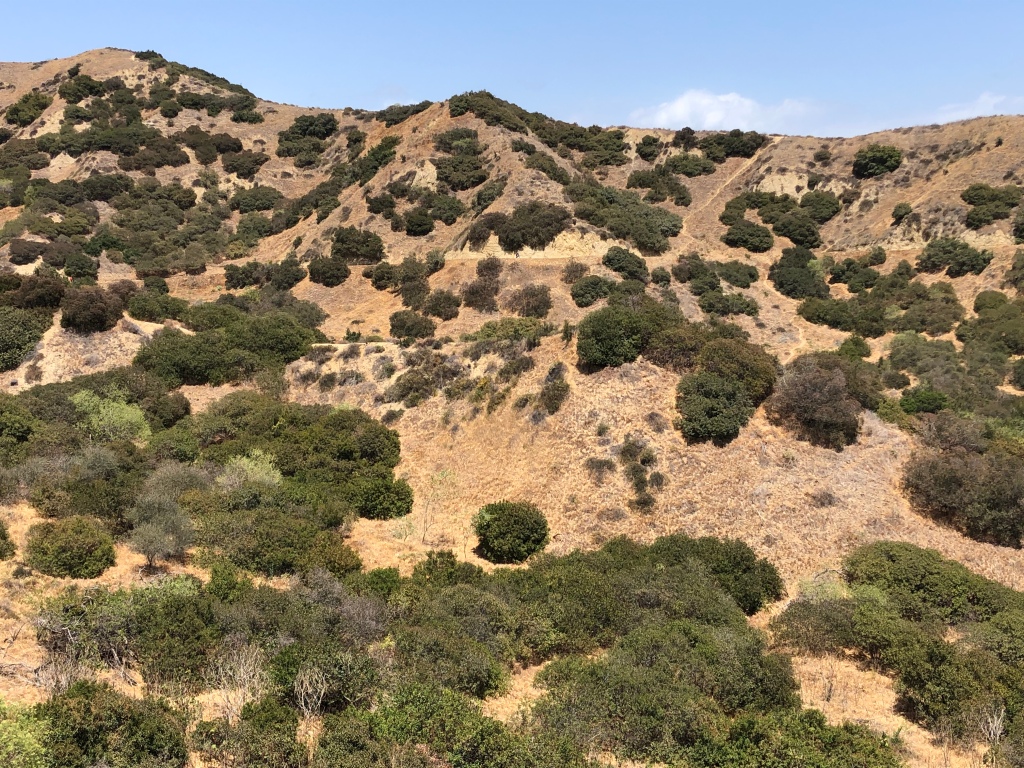
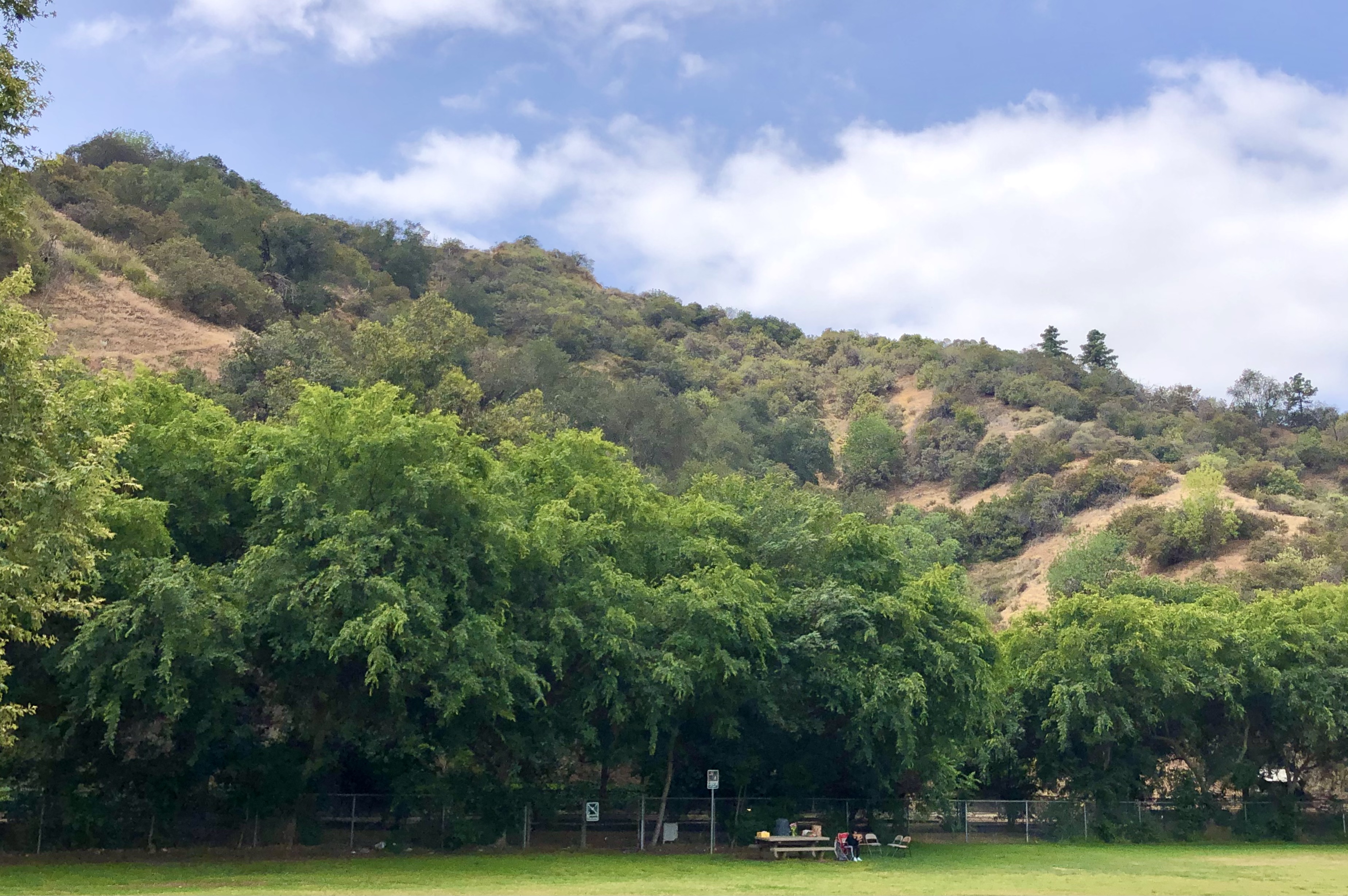
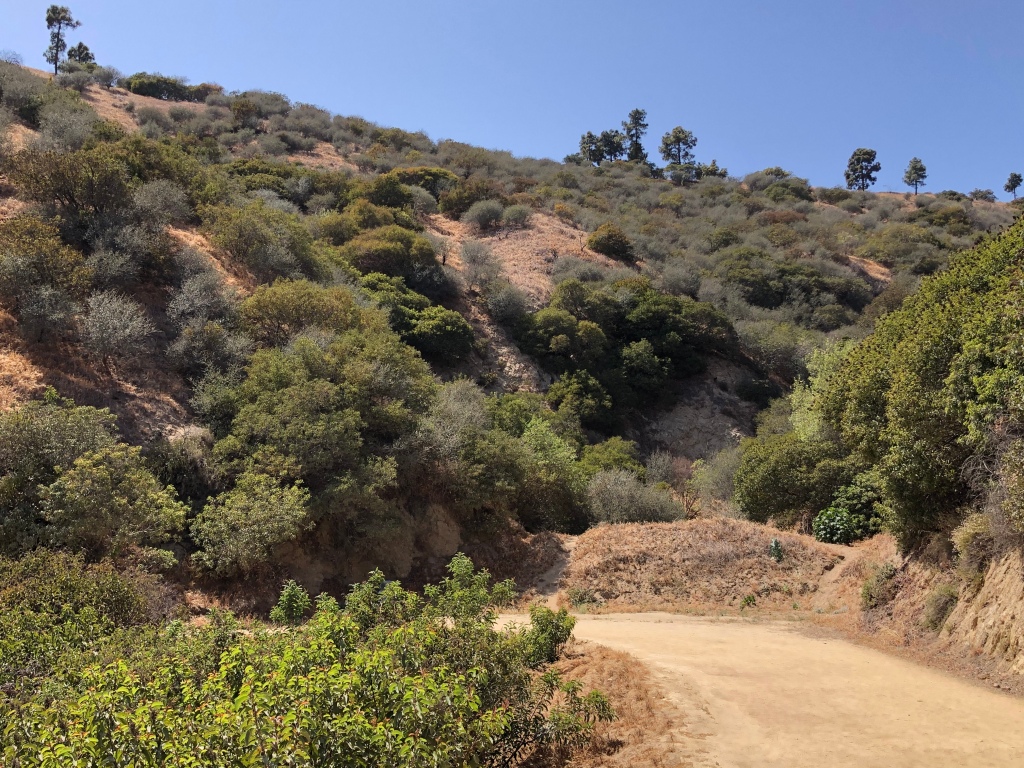
Today it is a Los Angeles County Park; 1,000 acres spread across 20 million years. The lay of the land is a north-facing slope with a series of hog-back ridges poking up through the slope. North-facing slope means shade,which prospers old-growth mosses and lichens, in dazzling variety.
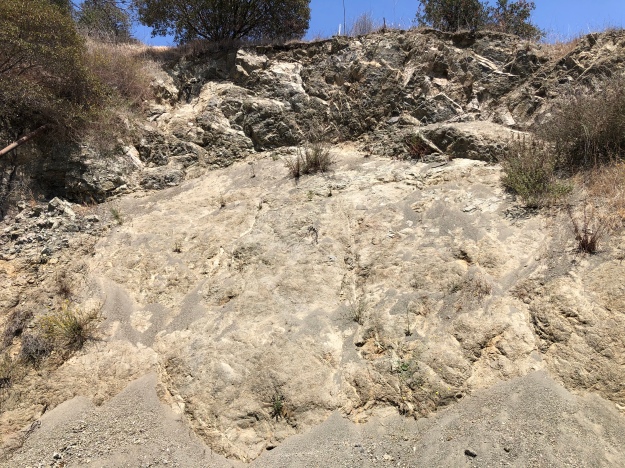
The sedimentary layers are similar to those in the Valley. The alluvia laid down as sea, estuary, or bay floor make a beautiful sequence of inter-fingered sandstones, siltstones and mudstones. Then, the layers were crunched up into folds and anticlines by compression (between the Pacific and the NA Plates). Then the land got pulled back – extension – and a rift formed. Wet sands were intruded from below by volcanic metamorphic magma. Uplift out of the sea followed, and the hogbacks of harder rock emerged out of differential erosion of the softer rock.
The regional tectonic story is the breakout of the San Andreas Fault. This occurred when the compressive force of the Pacific Plate, partially sliding under the old Rodinian Riviera at what is now San Gabriel Fault, jammed. The old seaward faults (those in LA, e.g.) had been sutured into a mass riding atop the Pacific Plate. The tectonic border moved inland, which became our current plate boundary, the San Andreas Fault, with its dextral strike-slip. (The ’Great Bend’ in the San Andreas is just a few miles northeast of Vasquez Rocks.) Sadly, though unsurprising to me at this point, the visitors center contained no information whatsoever about the geology of the area. Anyone coming to the site of Vasquez Rocks to learn about Vasquez Rocks, will be disappointed.
Above: scrub oak, Quercus dumosa.
It is one of the most fragrant parks in So Cal, thanks to the junipers. Fun Fact: that’s mistletoe dangling from the branches. Who knew it favored juniper?
I liberated some berries to crush into my martinis for a little aromatherapy.
There is a commendable but basic exhibit on the Tataviam, the northern part of whose territory included this gorgeous place. But it is a general cultural overview, with nothing about how or when or why they used this particular site. There are what looked like Chinigchinich-religion-inspired wall paintings on a rock near the entrance, including the Centipede character. I don’t know whether the figures are genuine or graffiti, or what artifacts archaeologists might have found so far.
Why is it called “Vasquez Rocks?”
”Vasquez Rocks” got the name in the 1860s-70s, when the ”gentleman bandit” Tiburcio Vasquez camped here as a hideout. The bandido’s suave Monterey manners, fluency in English, and fine connections among good Californio families give his legend an undeserved air of grace. Certainly he was handsome and of fine carriage; hearing he might be near would cause local girls’ hearts to swoon. Envious or disaffected young men among the lower classes took him for a revolutionary emblem, a folk hero fighting against the Yankee oppressors. This was the defense Vasquez used at his trial: he claimed he did it all as a freedom fighter for California. But there’s not a thing in it; Vasquez’s decades-long string of petty robberies and random hold-ups, interrupted twice by stints in San Quentin, add up to nothing but pointless and not very profitable thuggery. Honestly, he seemed to be in itfor the girls — which is how he was caught. He was canoodling with local girls while holed up in Greek George’s adobe, on what is today’s Sunset Strip in West Hollywood.
The posse kept surveillance on Vasquez while he was at Greek George’s (somewhere around the Sunset Tower?), from view-points in Nichols Canyon. Vasquez was held in LA for a week, while adoring senoritas crowded the jail, sang to him, and pleaded for his release. He wrote favored girls little love-verses. He was moved upstate and tried in San Jose, and executed in 1874.
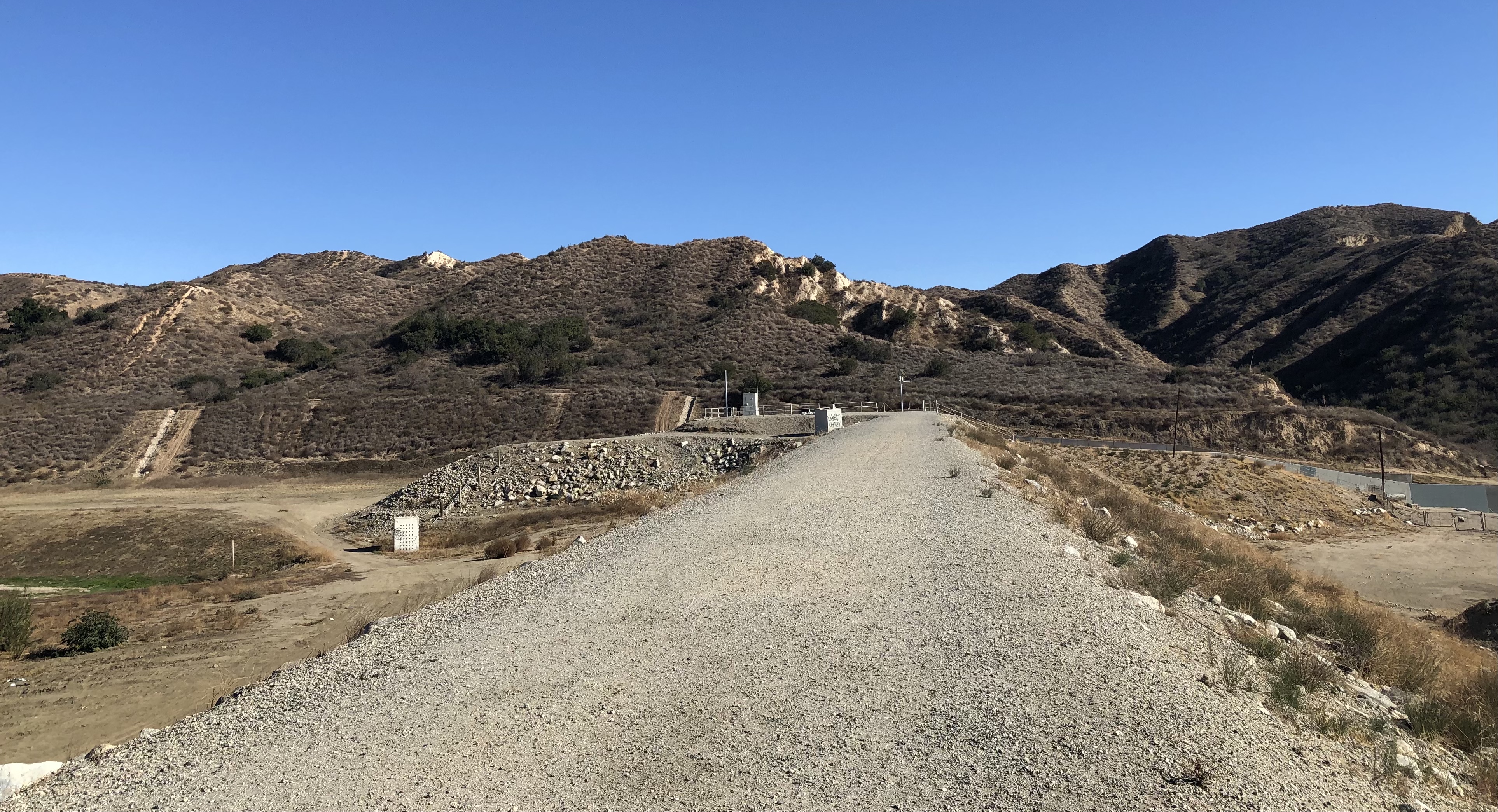
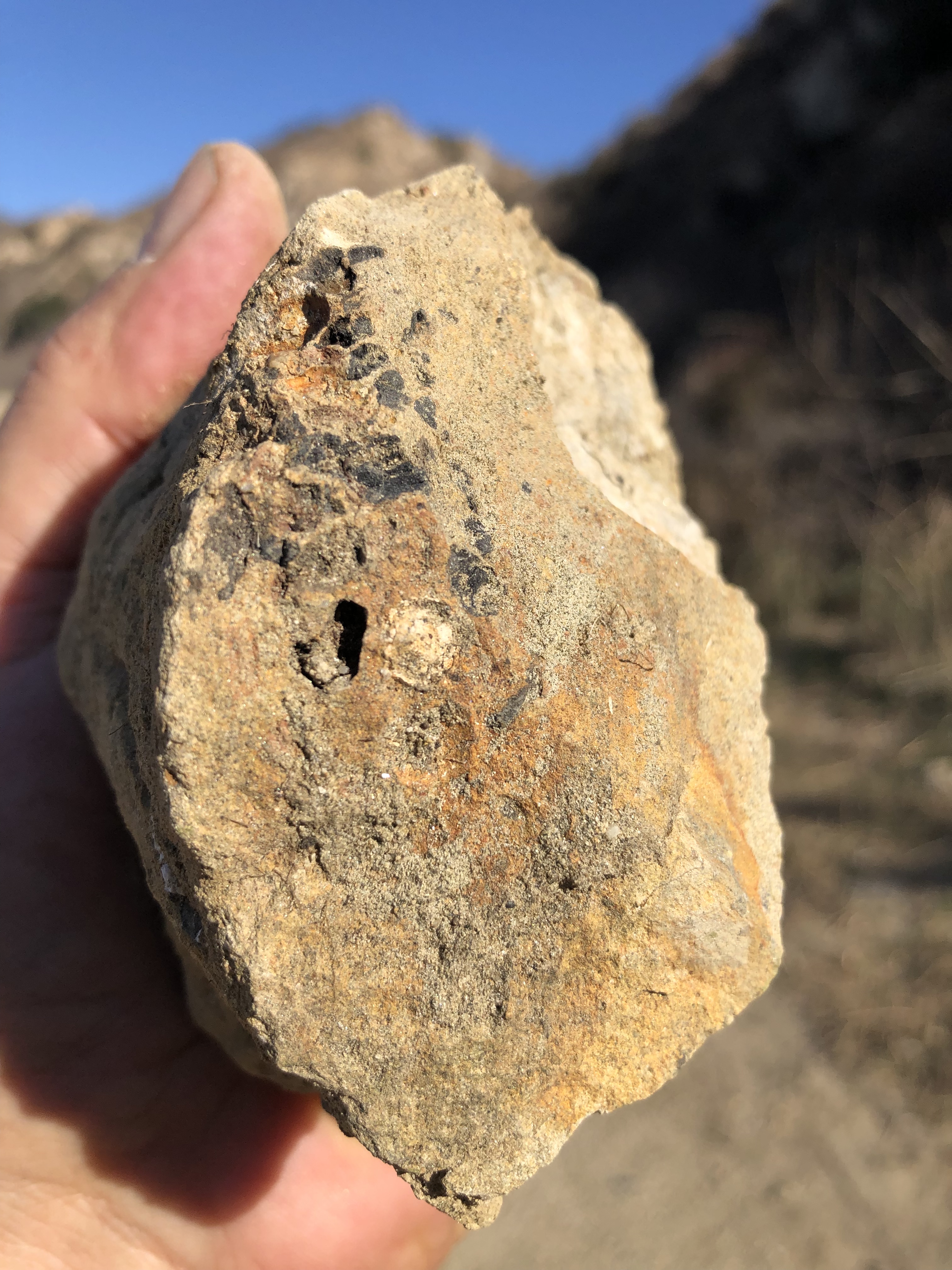
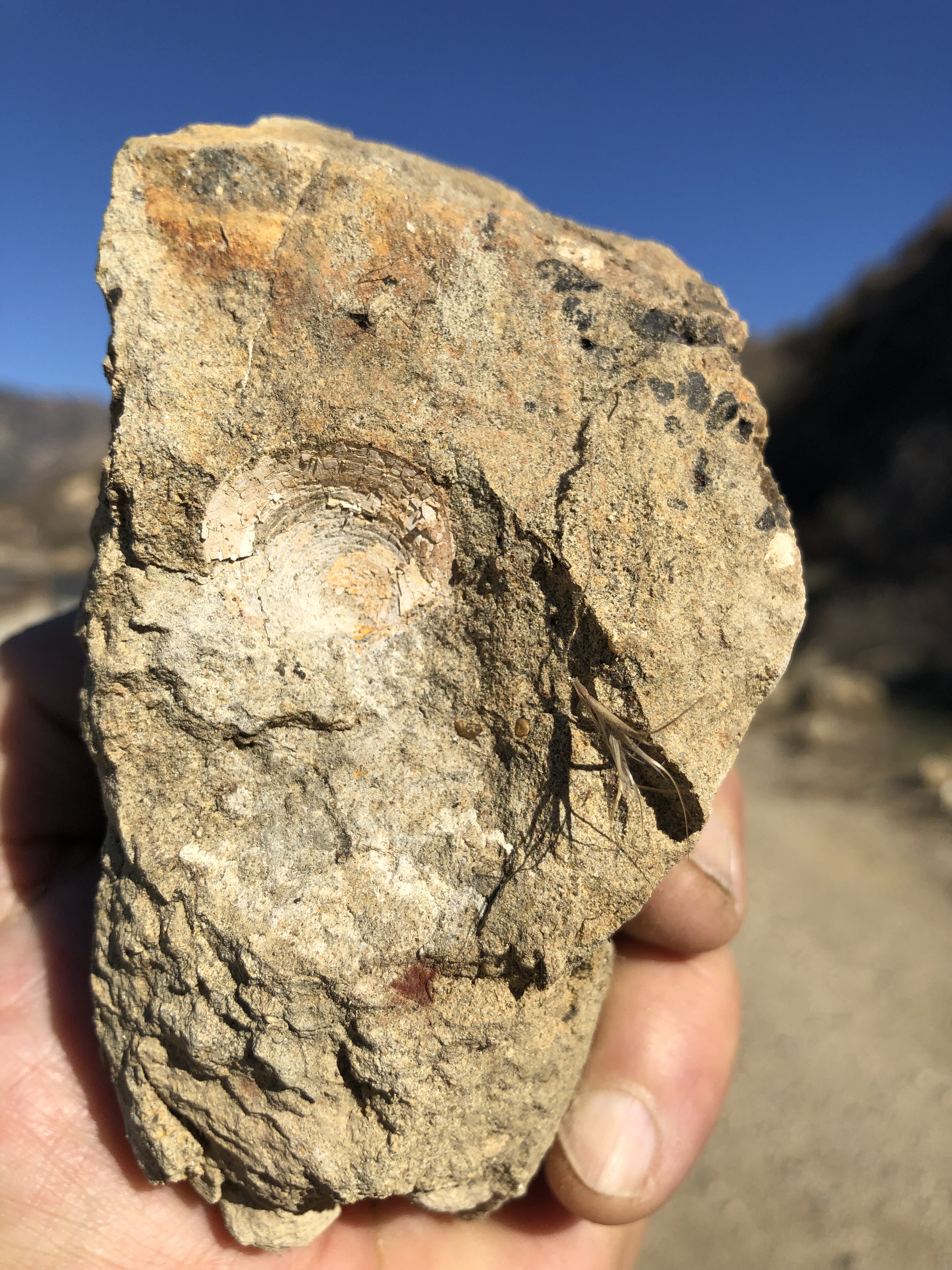
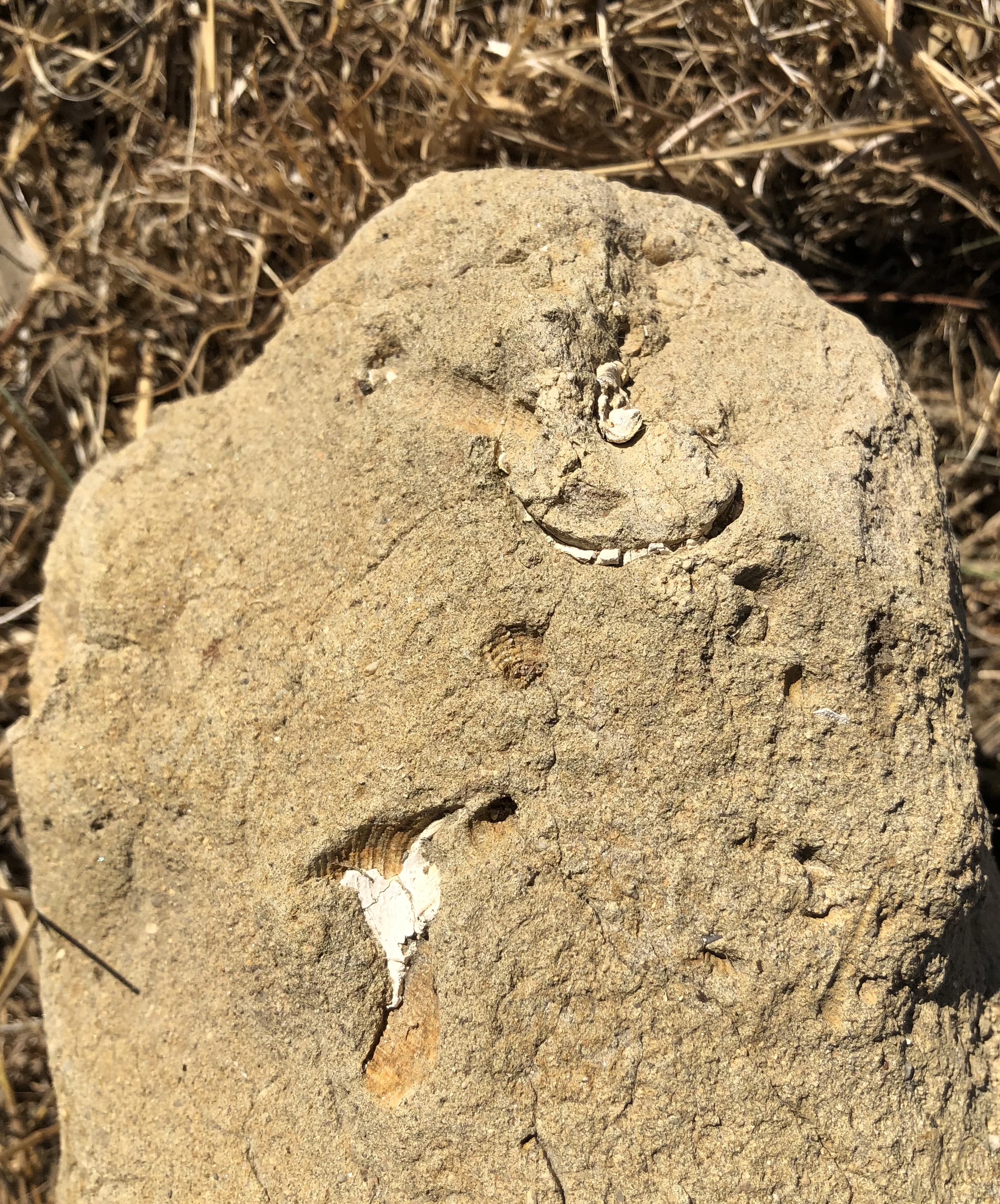
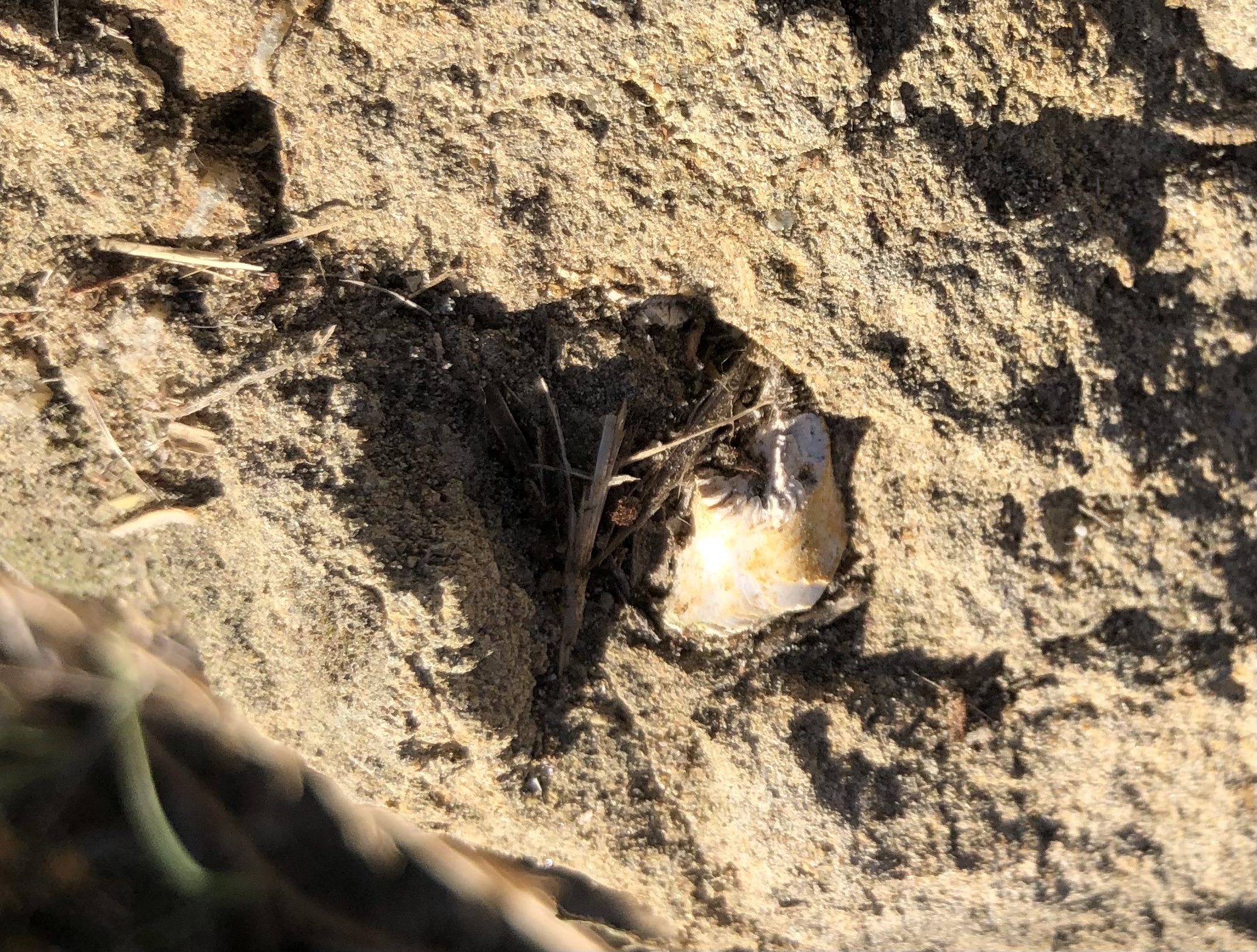
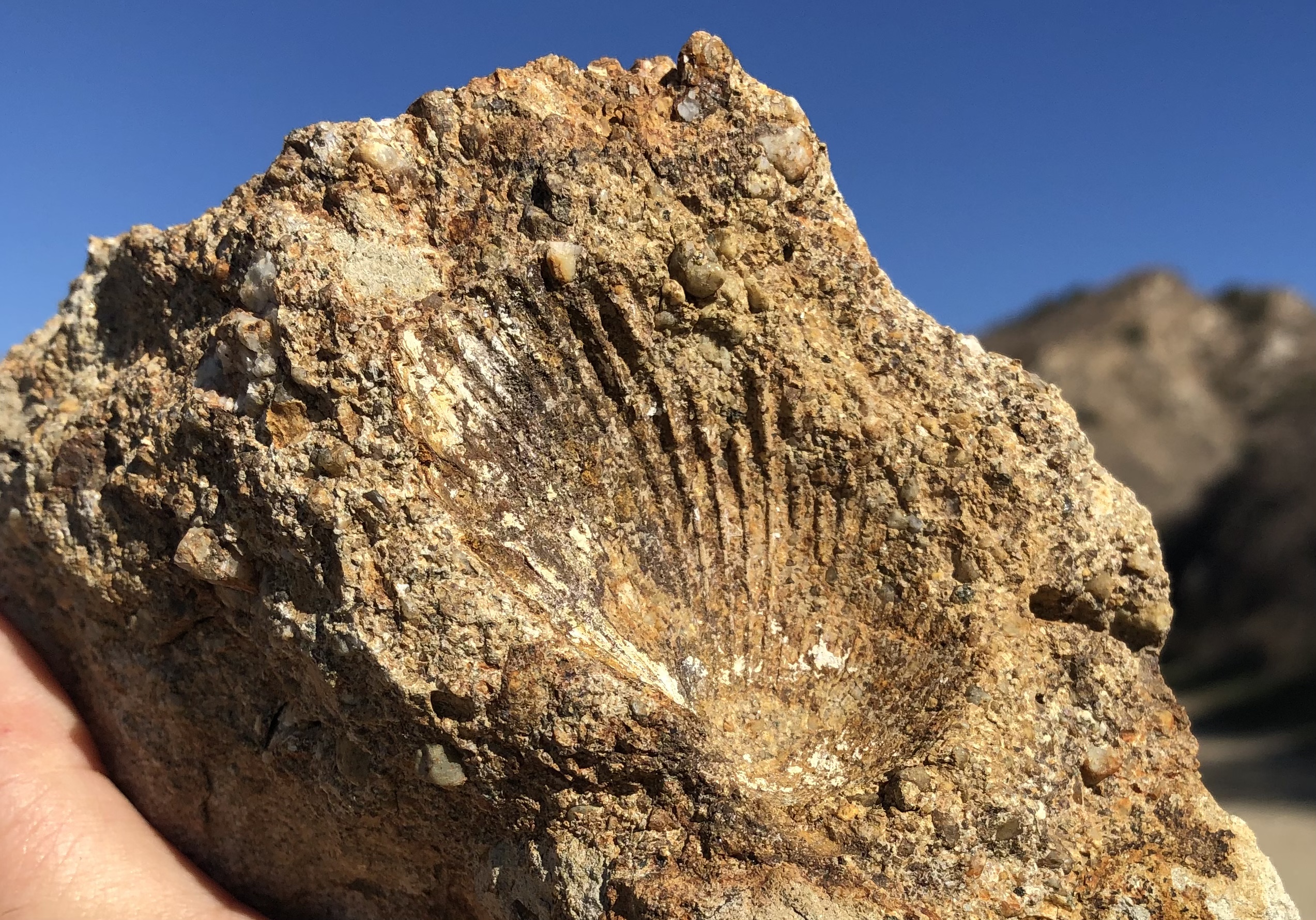
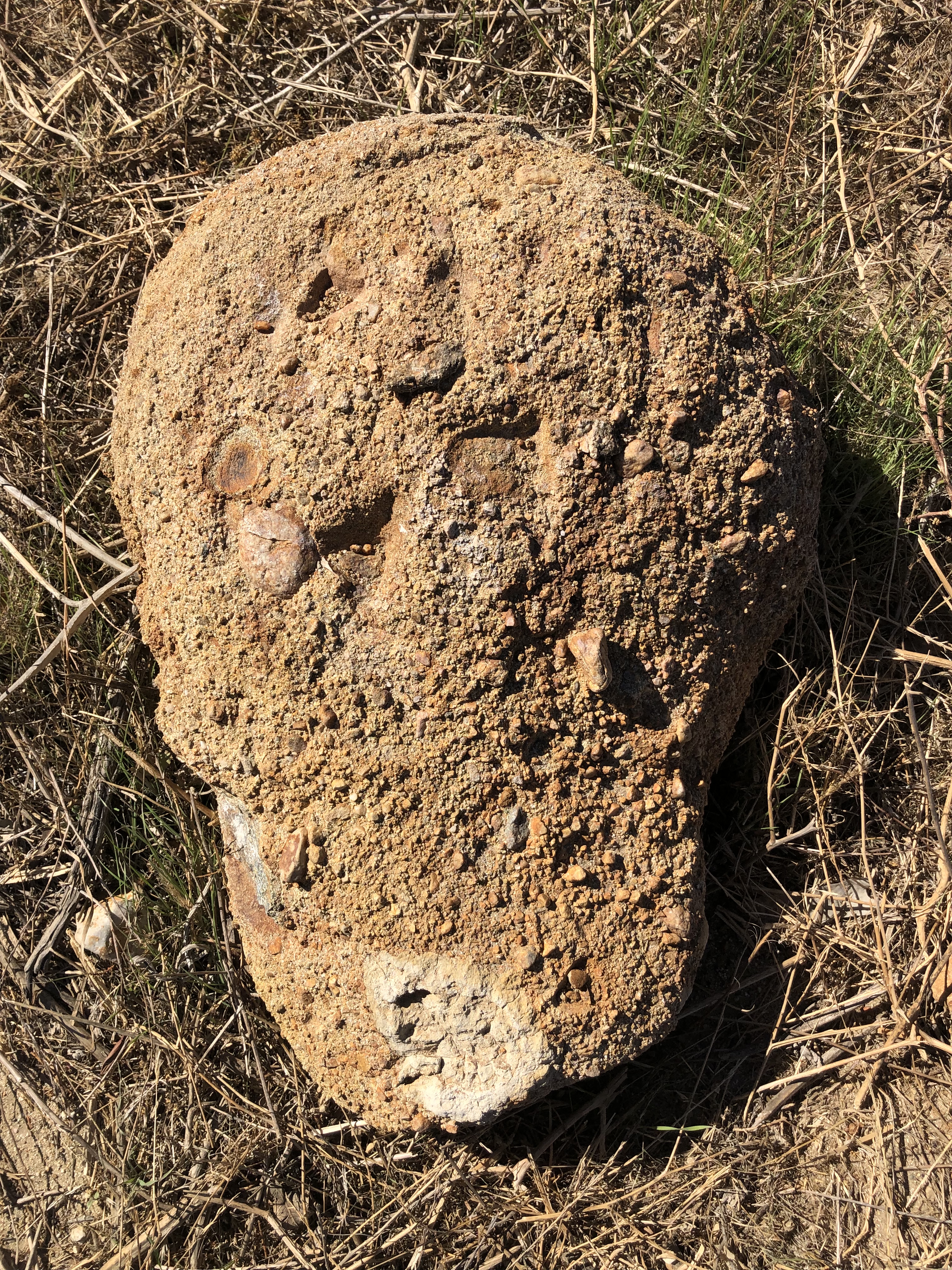
I found fossils of shellfish in fragments of freshly fallen conglomerate on the trailside of Pacoima Creek, between Lopez Dam and the Lopez hills.
They are reminders, miles from today’s shoreline, that the San Fernando Valley was once embayed, the playground of scallops and clams. Later all that shallow bay muck was uplifted — crunched up — by convergence of the migrating West Transverse Range fault block against the edge of the North American craton. The line of suture where the fault block docked (at San Gabriel Fault) is now just a couple of miles north of this spot.
Moules frites?Deviled littlenecks?I frutti di mare…petrificado; en croute.Only the shell of its former self.Fresh yellow-green mineralizing fluid?
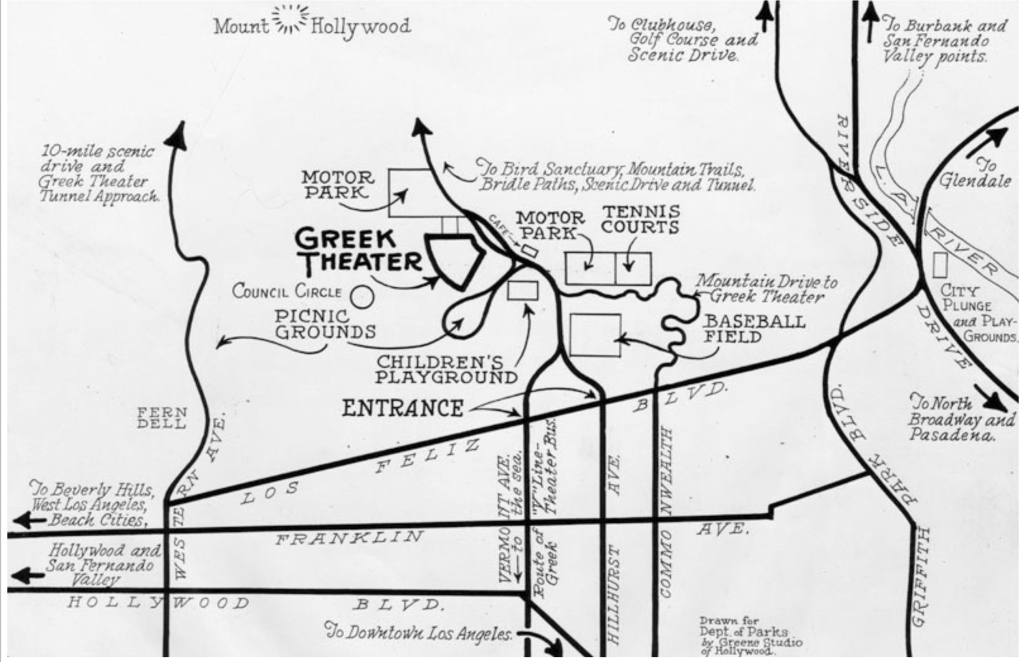
Enjoy this treasury of photographs showcasing the geology, botany, and fascinating social history of LA’s greatest park, now celebrating its 125th birthday.
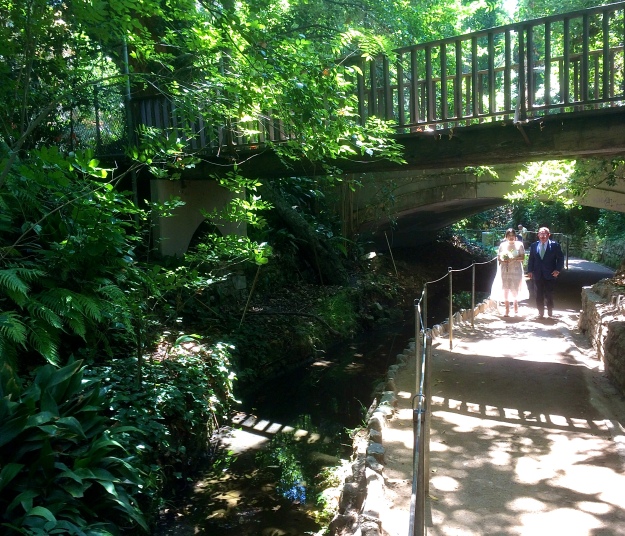
My favorite picture ever, I think. A bride escorted by her dad up Fern Dell. I had just passed the wedding party and officiant at the top of the trail, nicely kitted out, waiting in excitement. The bride was grimacing with fright as she caught the light. What a spot for a wedding! What a spot for anything.
TRAILS CAFE
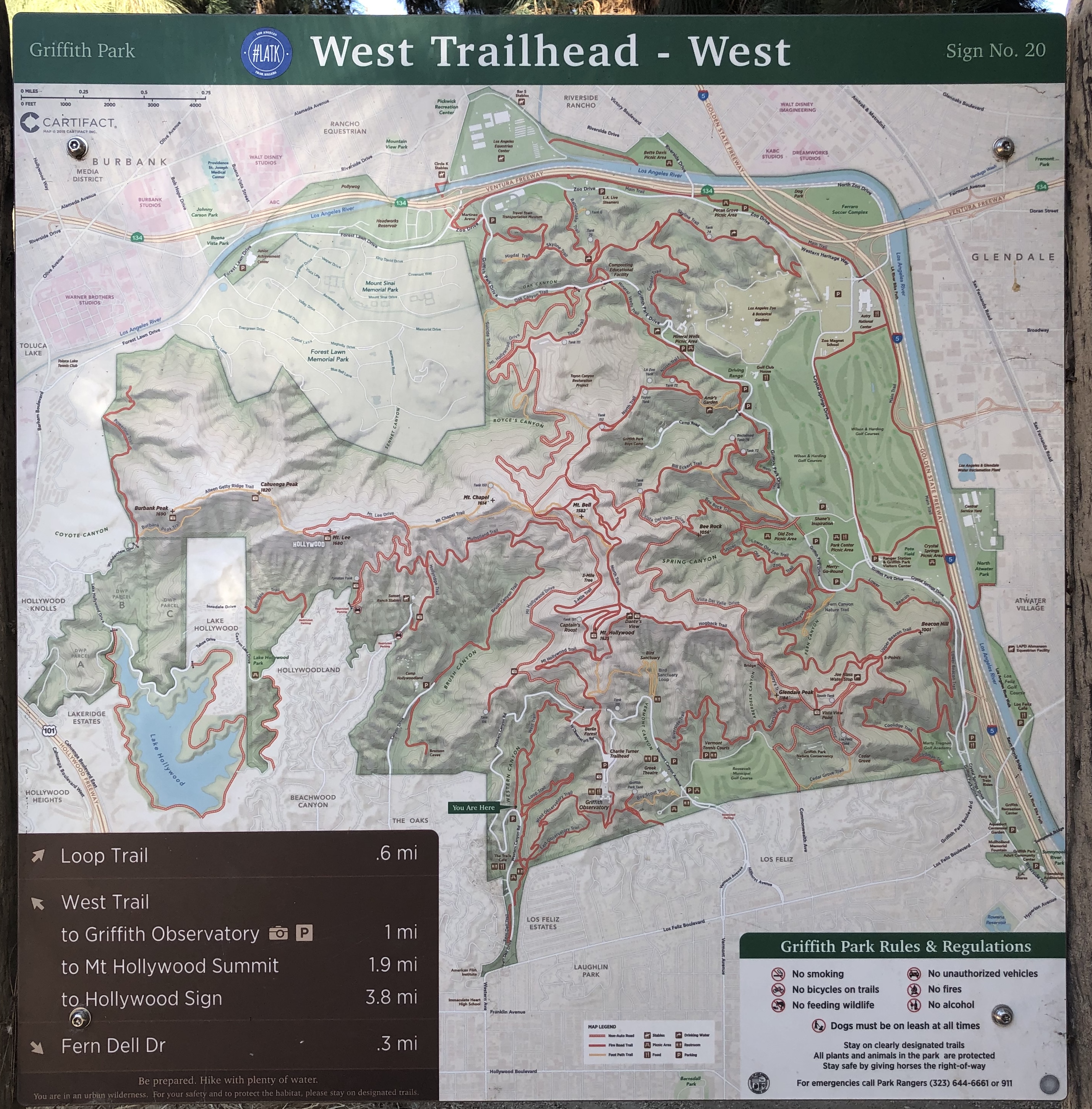
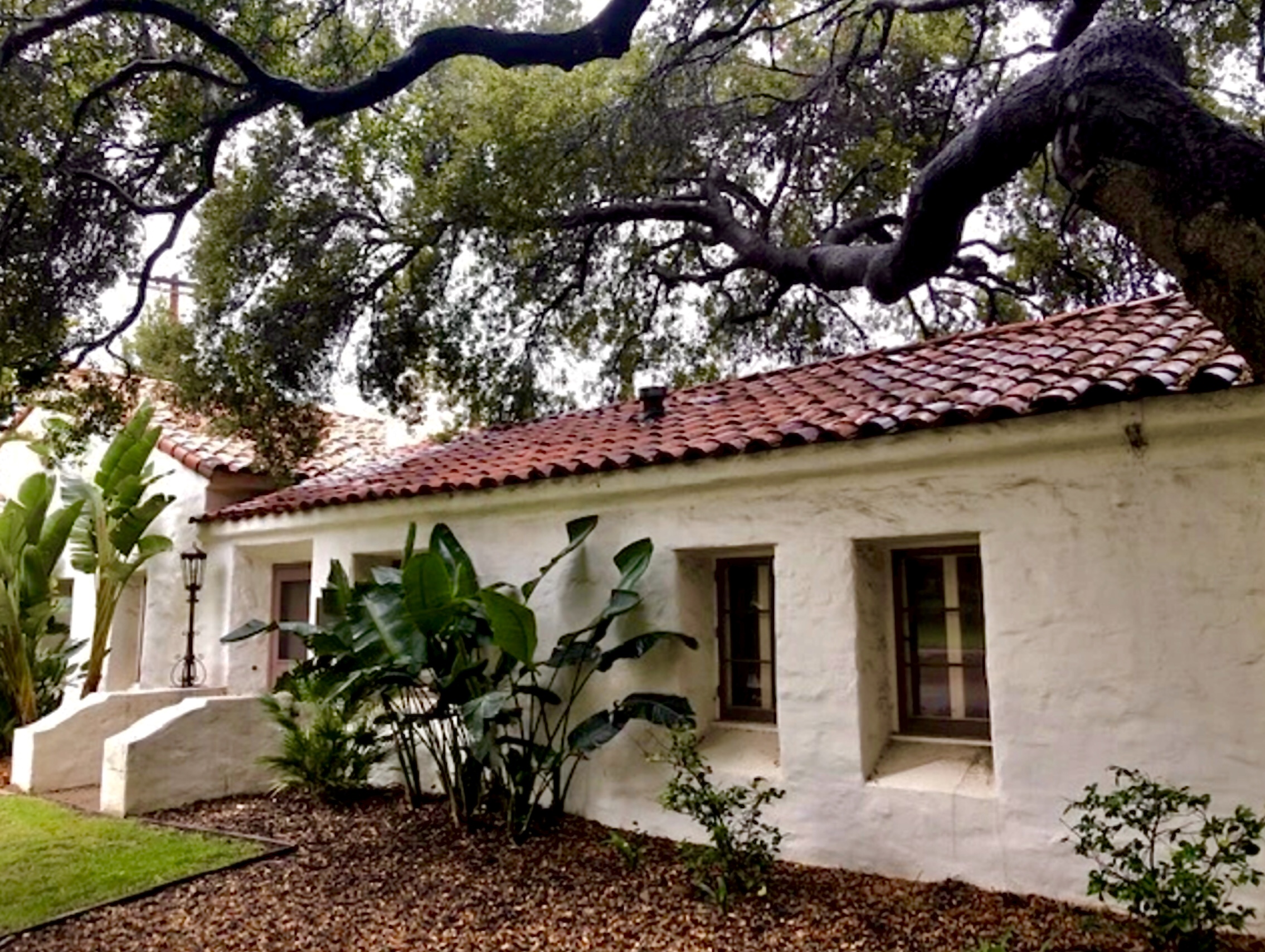
The rancho adobe (in some form, since 1795!) was preserved as Park Ranger HQ.
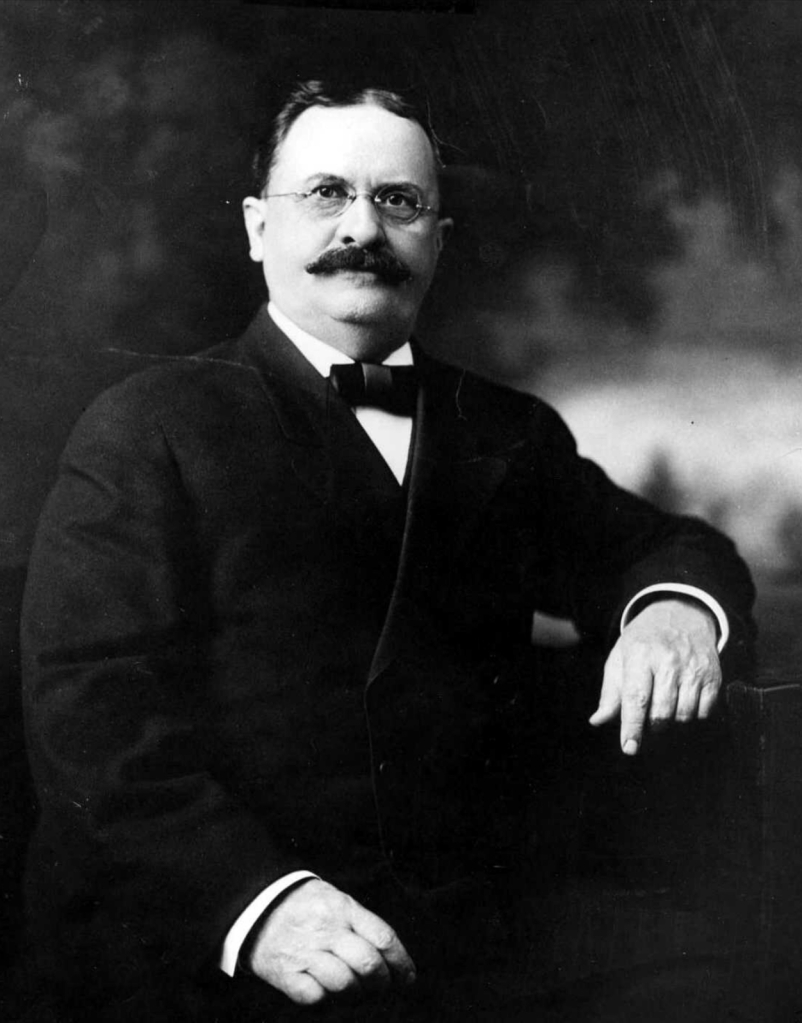
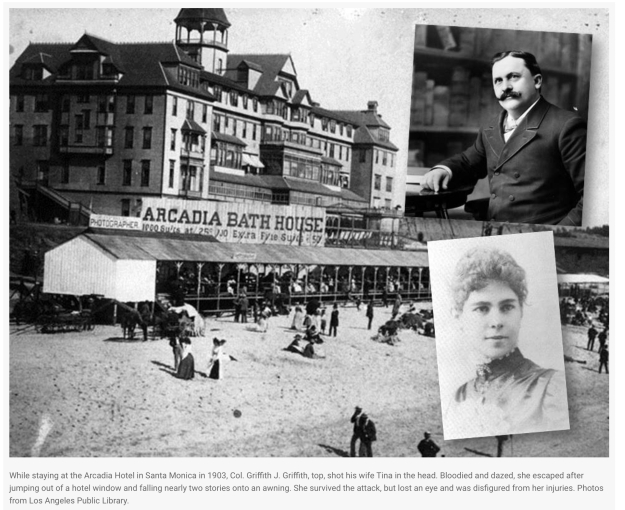
This unbelievabvly rich land was Rancho Los Feliz — “the Felizes’,” the first (or second) rancho grant in California. It was granted as a reward to a retiring military intendente of Los Angeles. The Pueblo was successfully settled and competent, the Tongva successfully relocated to San Gabriel, and happy Mexican farmers were churning out grain in the vast riverbed. Griffith J. Griffith bought the rancho from Yankee speculators for a song, and when he offered it to the City, with his grand visions of civic adornment and classical education and human uplift and ecological connection — he practically had to beg the City to take it. They were afraid to take Griffith’s gift, thousands of untouched watershed acres, because Griffith personally, had problems… it turns out,he shot his wife in the face, in a hotel room on Santa Monica Beach. The City Fathers were afraid the voters’ wives’ ministers’ wives would reject the City Council socially, if they shook hands with a beast like Griffith. He did two years in Q.
This photo is from the California Department of Corrections online article about Q’s famous alumnus, which tells the whole lurid story! Click, Baited Reader, click….
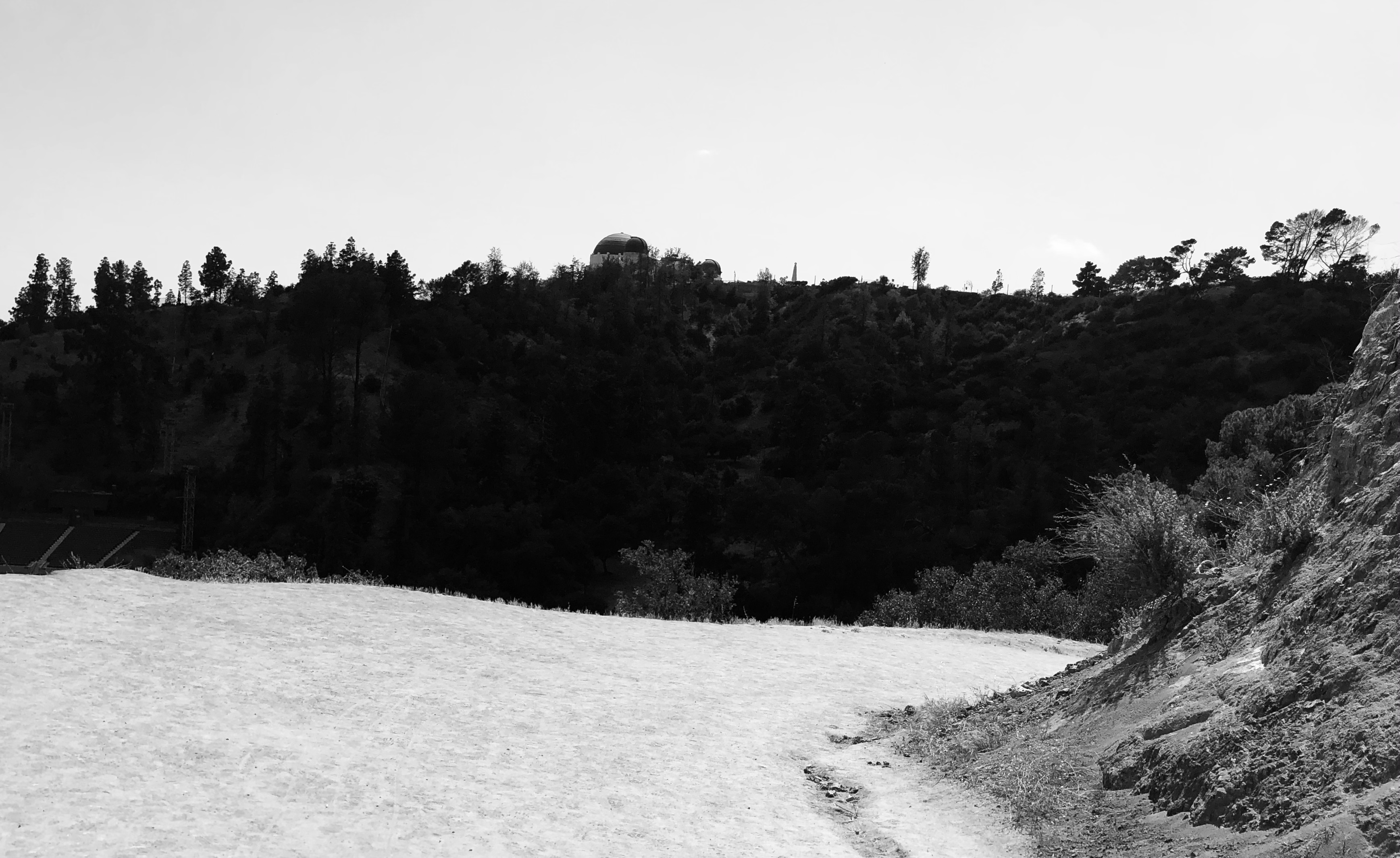
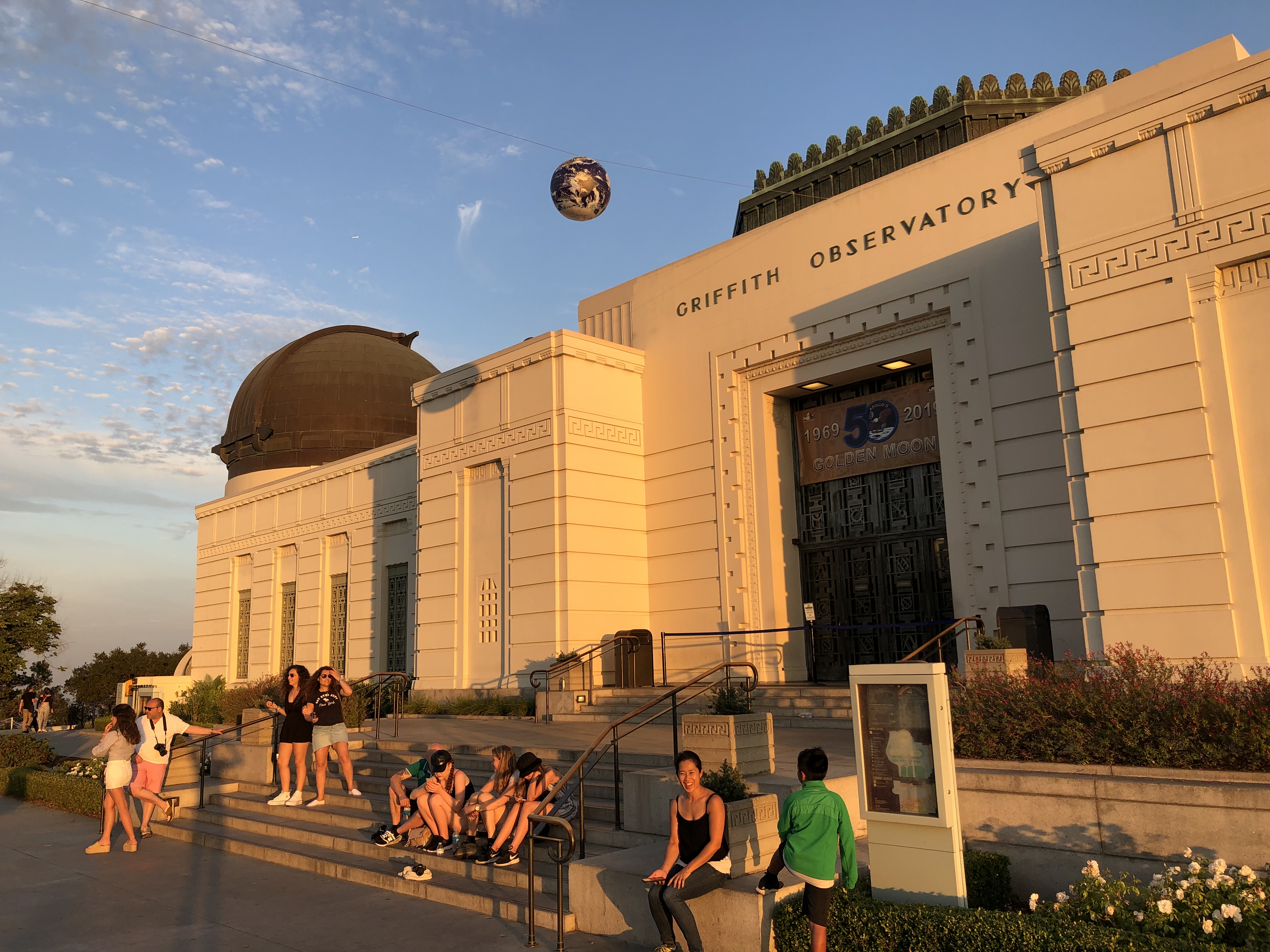
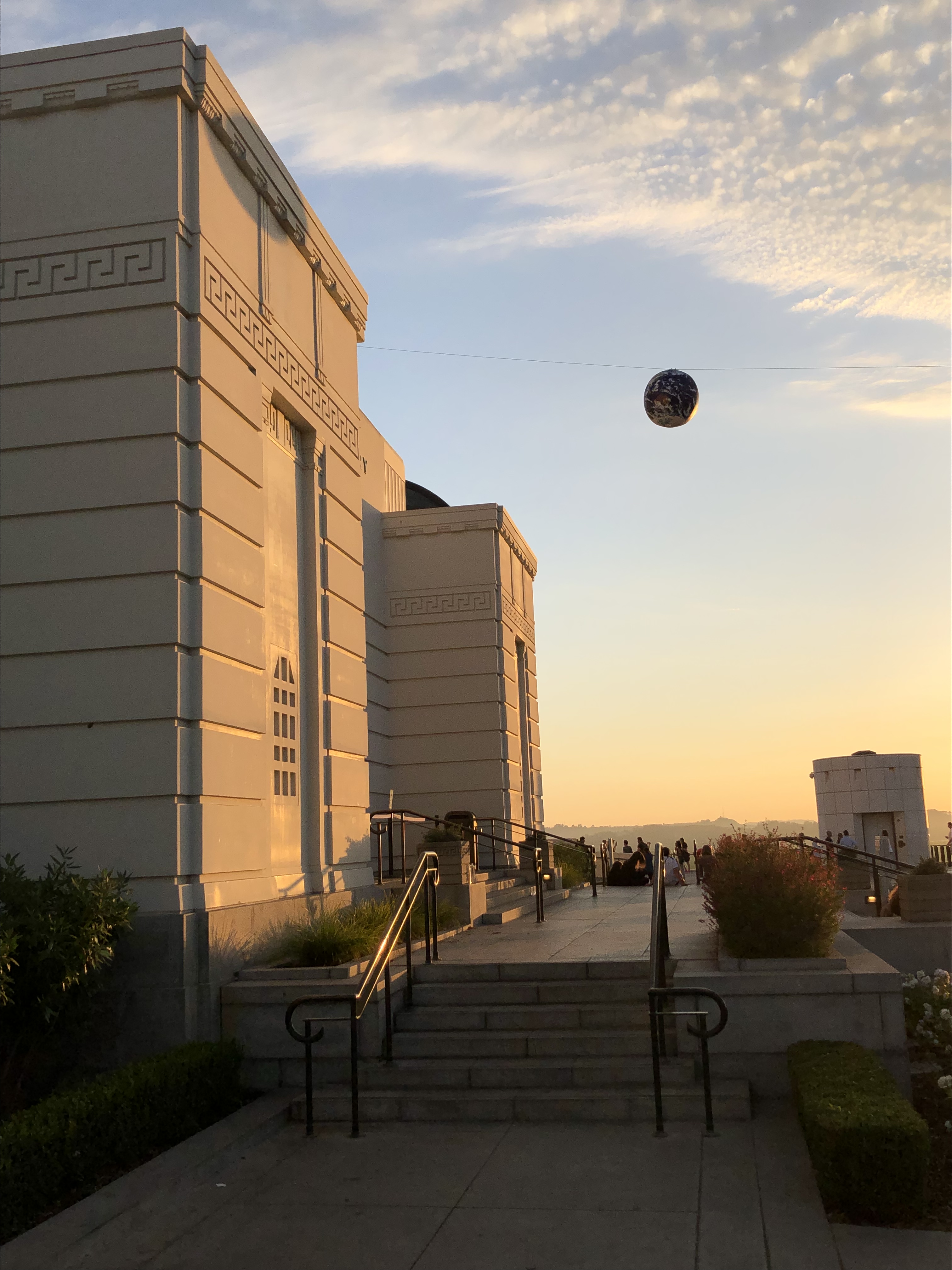
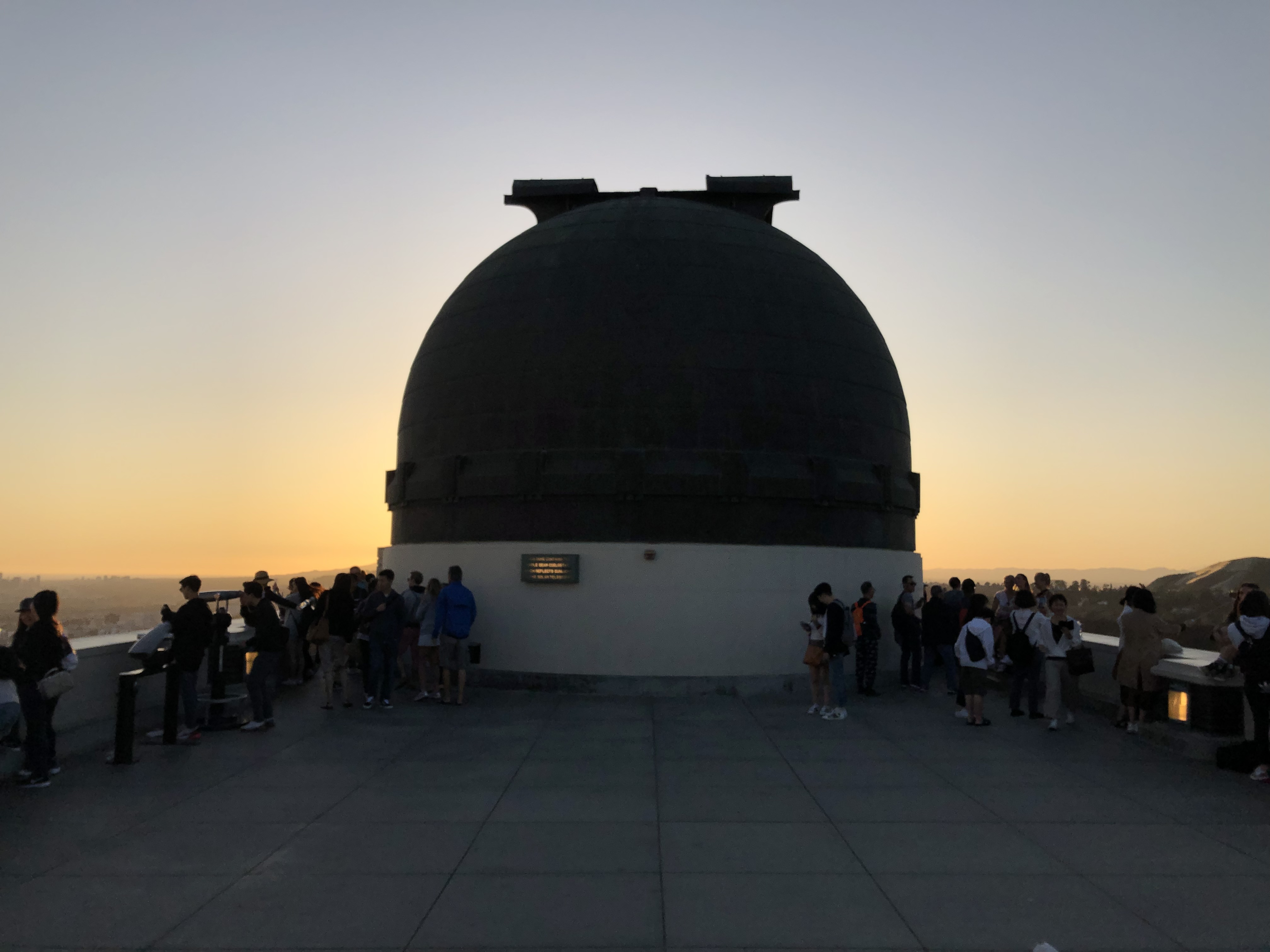
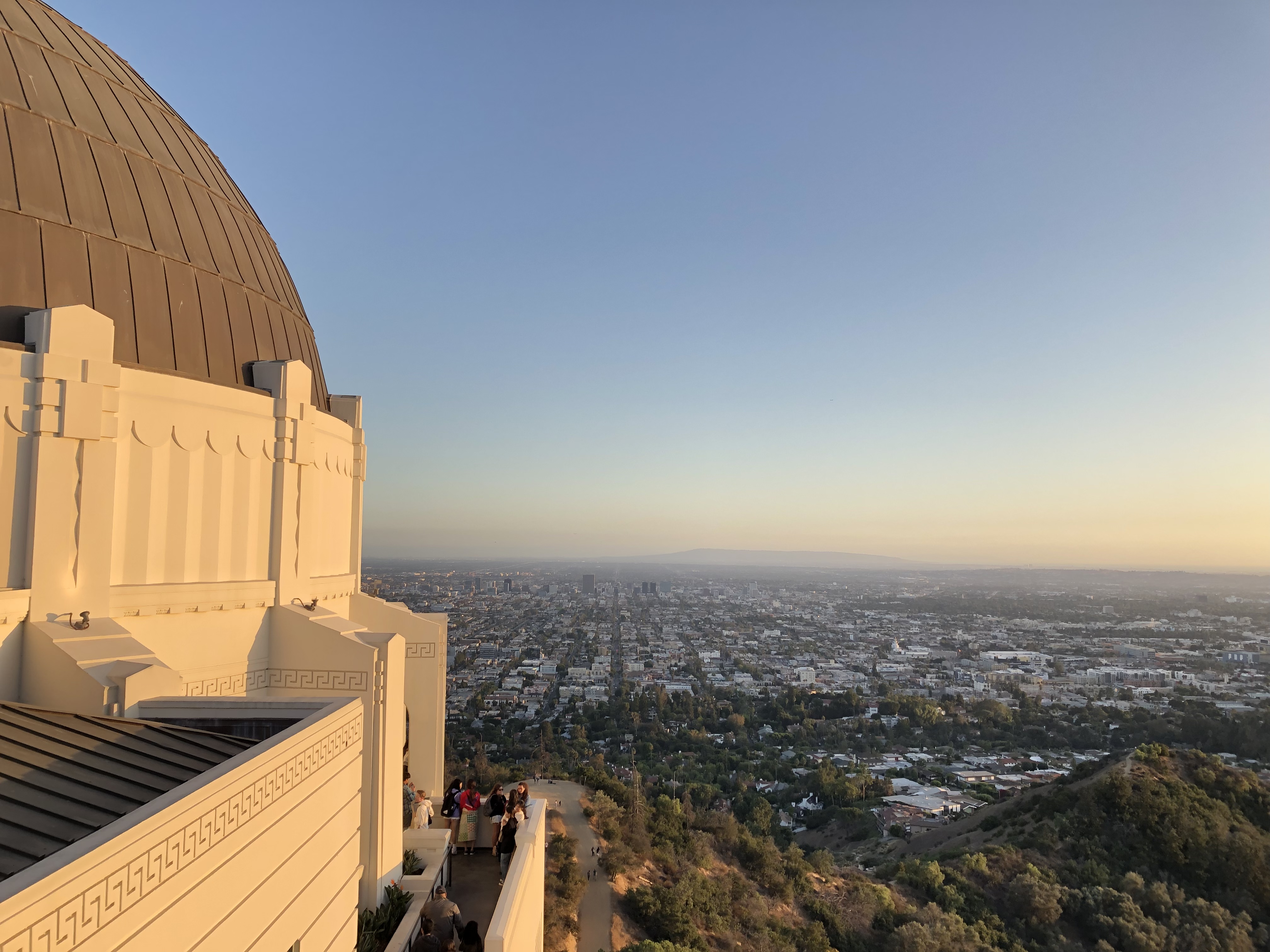
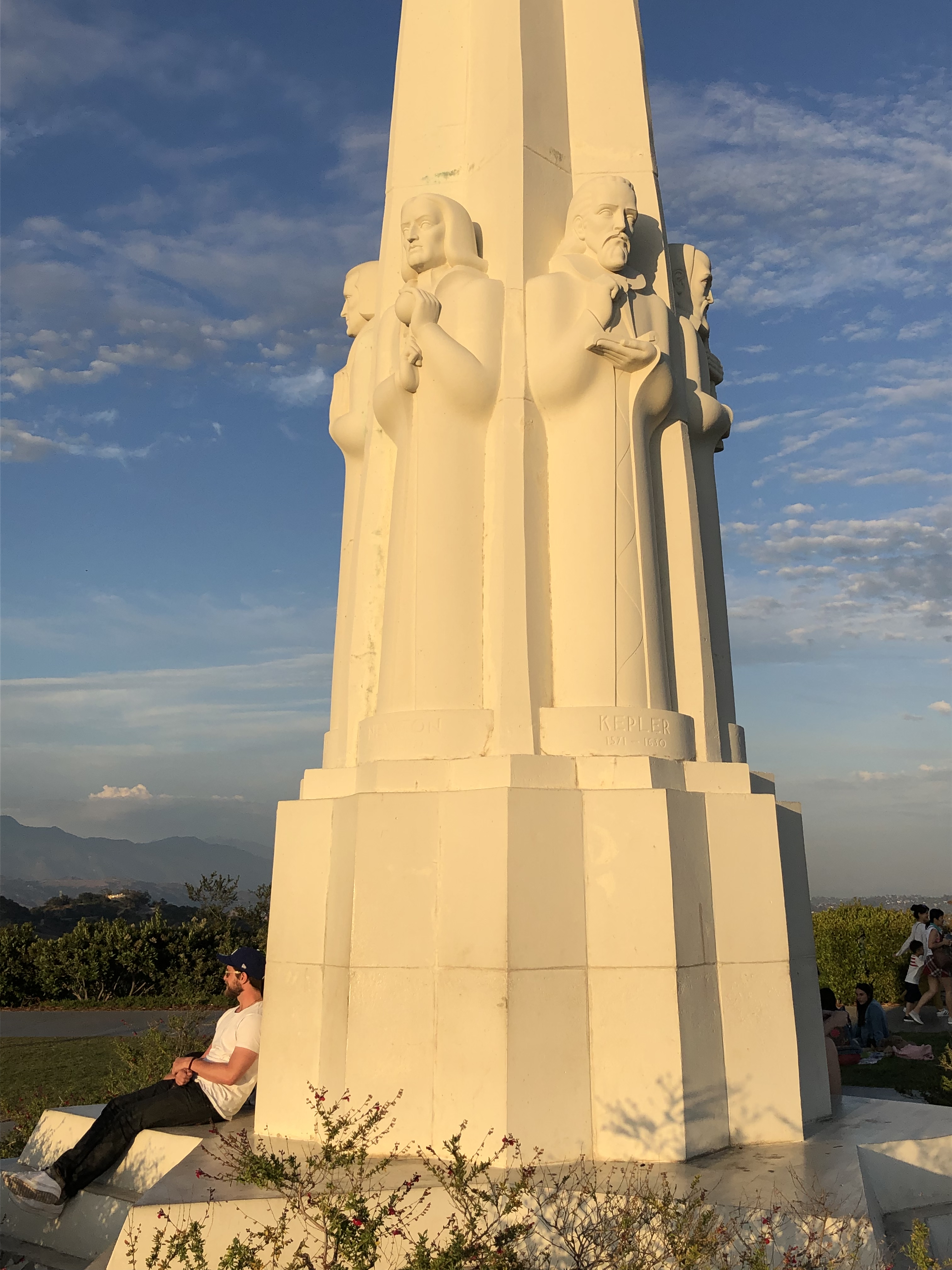
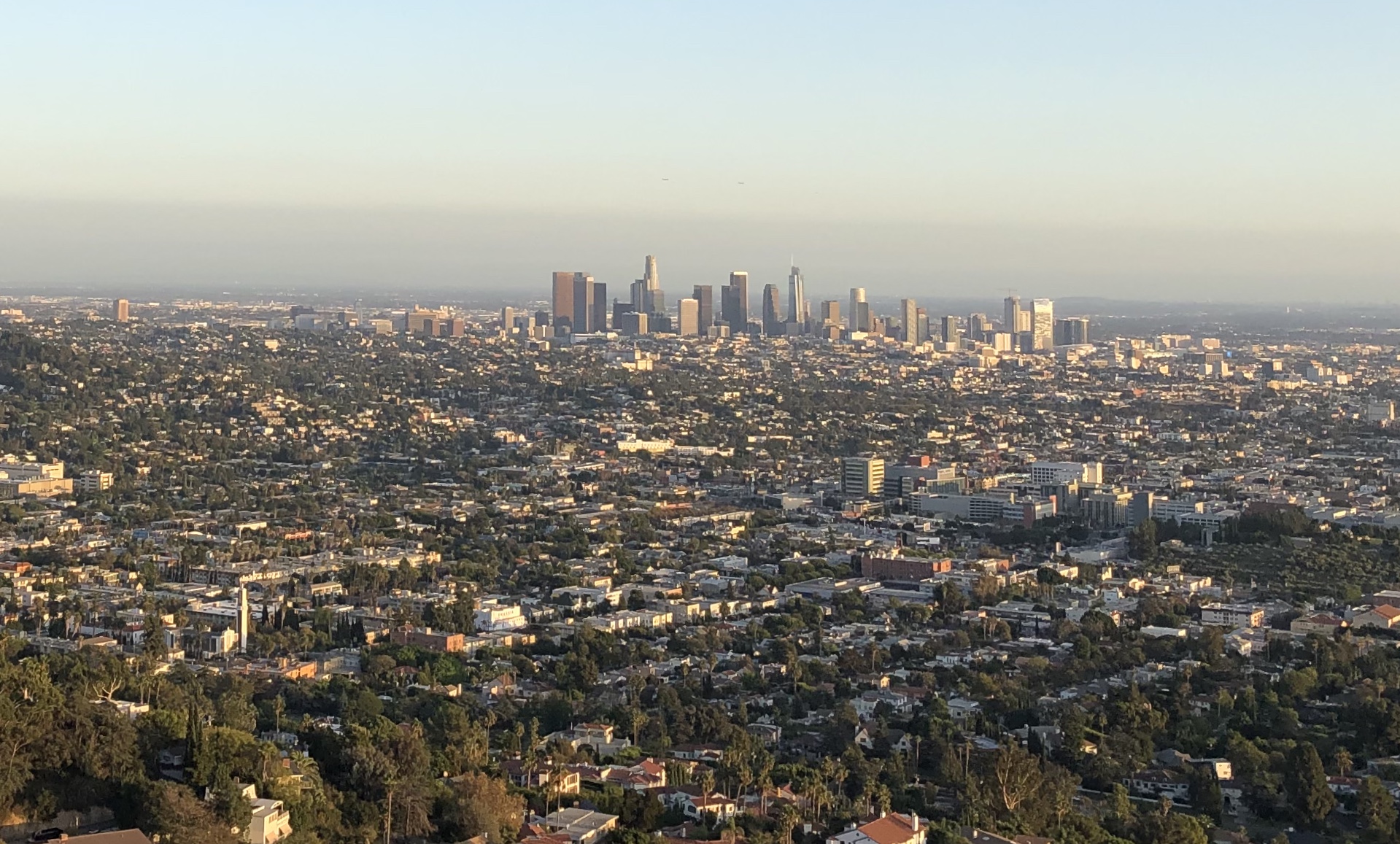
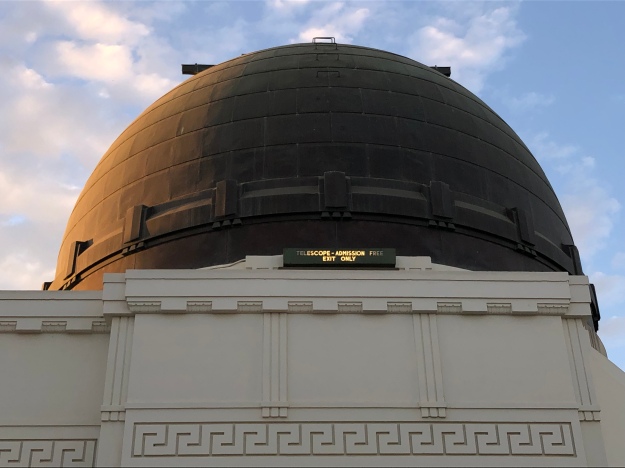
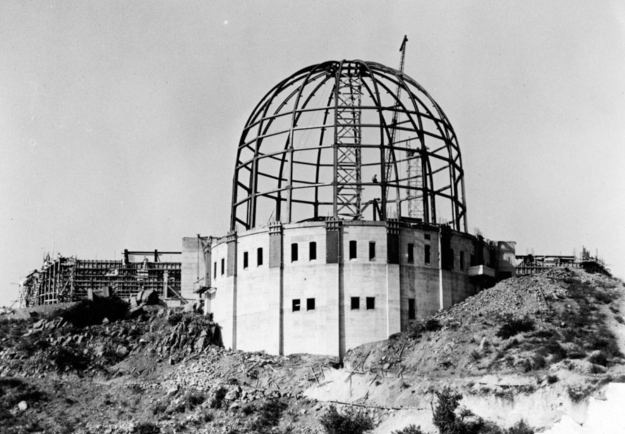
It took decades before Victorian propriety thinned out enough for the City to take possession, and it took decades more (1930!) for them to get around to building the Observatory and the Greek Theatre; both were stipulated in the conveyance. The delay was a good thing too, architecturally, for the Observatory — by then, the grace of Art Deco had come in to soften the Greek of Griffith’s preference, and the Federal Fascism that looked forward to Roosevelt’s New Deal; and it could all coalesce with modern engineering. It is one of the most iconic buildings on planet Earth (which it turns out is where we are; go inside and they’ll explain.)
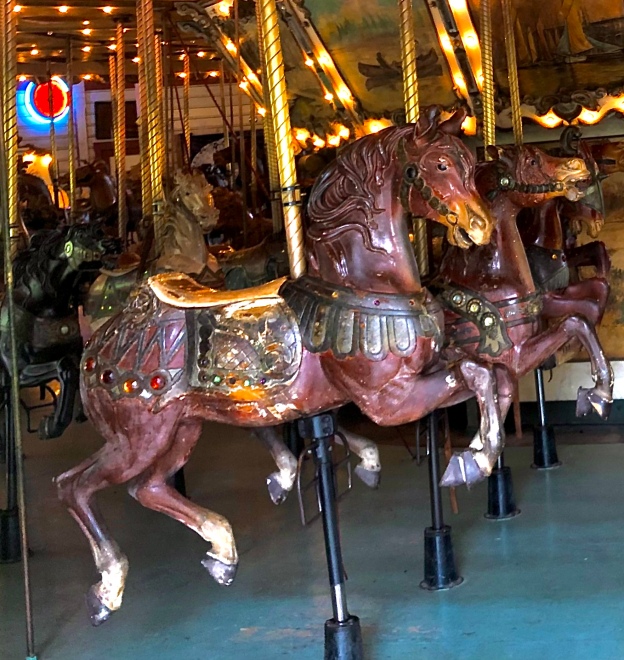
The Griffith Park Merry-Go-Round. Since we’re nosing into the Holidays anyway (Sinter Klaas, Dec. 5), and there’s apparently no other footage anywhere of the Merry-Go-Round, and the dead operator who loved and maintained this instrument for years can be seen in the video in his Sinter Klaas cap, here is Jolly Old St. Nicholas, with bells and whistles, and the moose bugling along. Enjoy the View Walt Disney had, a bench in the Park, watching his Merry- kids -Go -Round, and see if you dream up anything as lucrative as Disneyland, like he did. Dream harder…
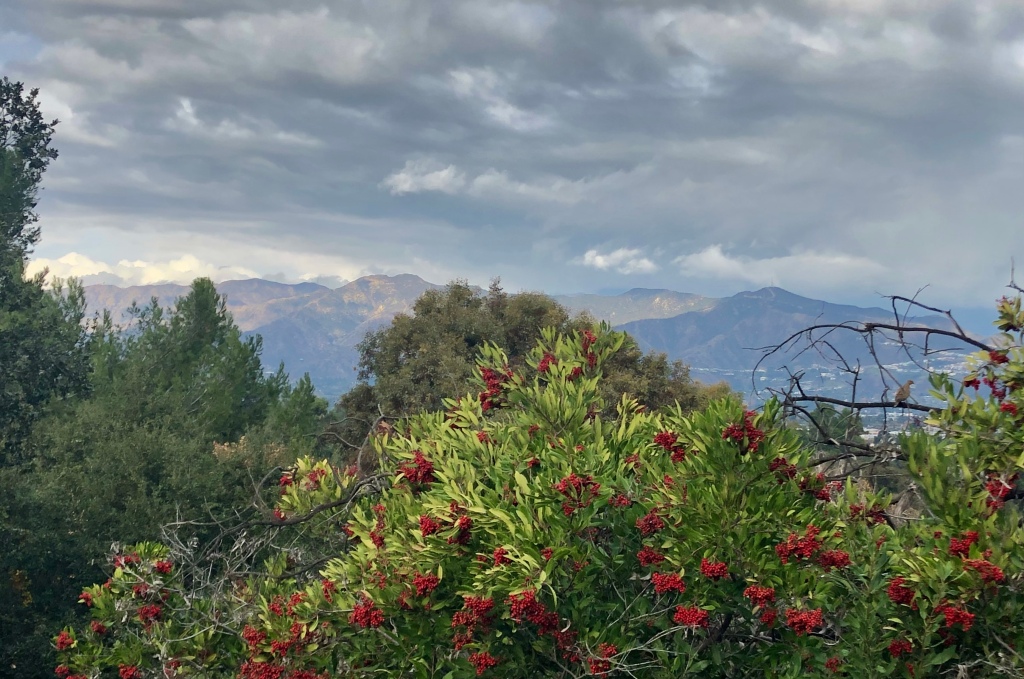
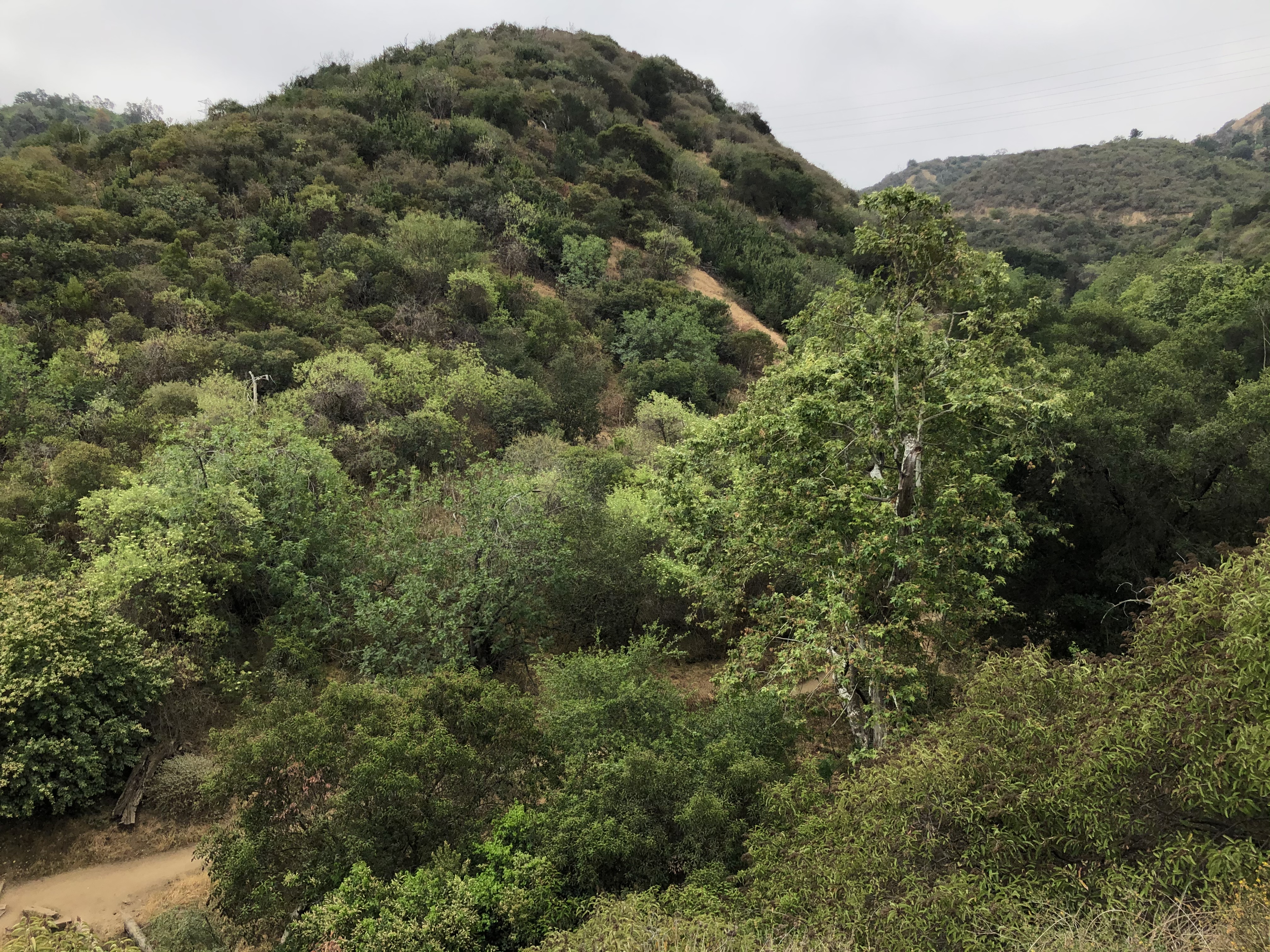
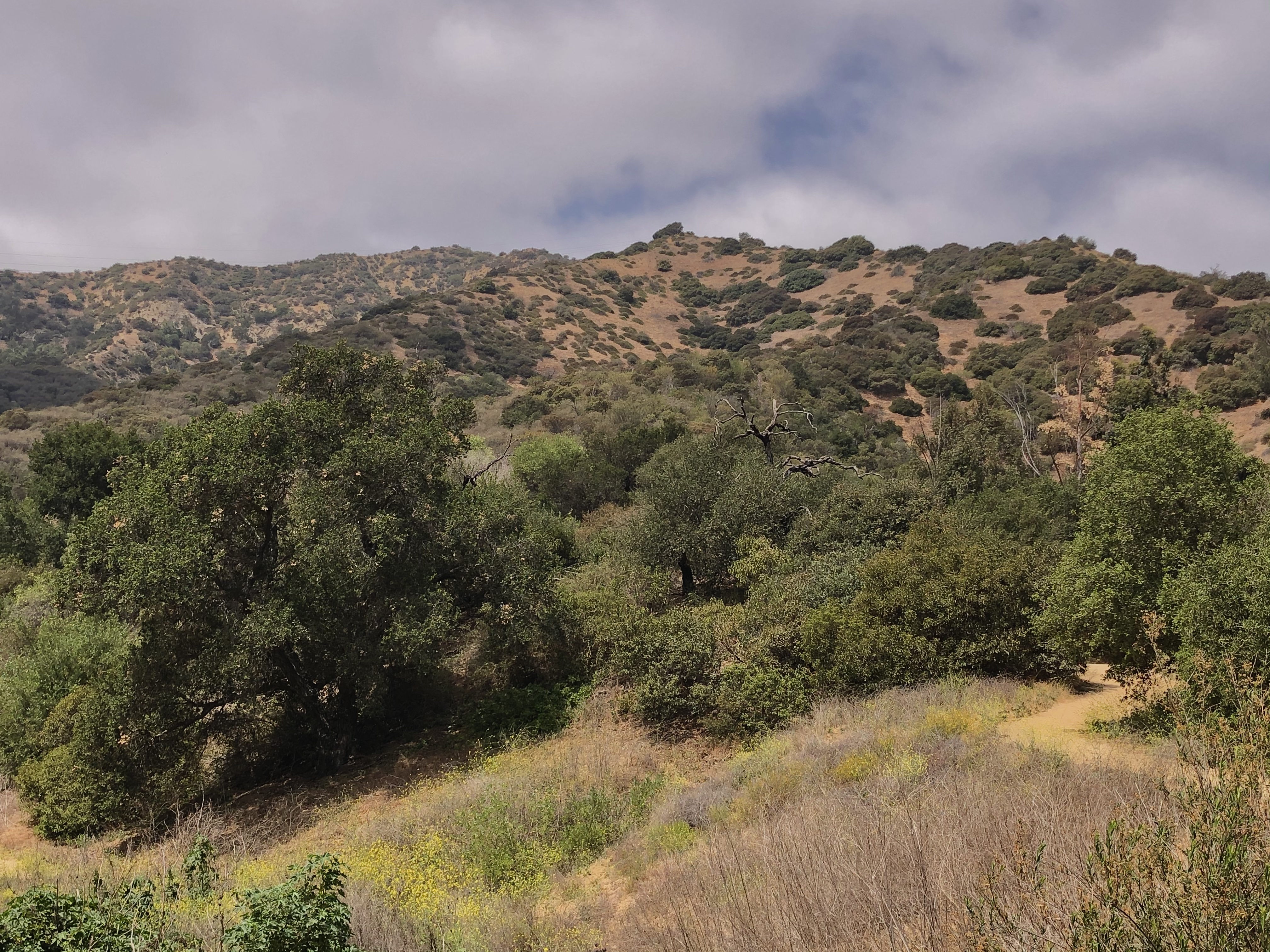
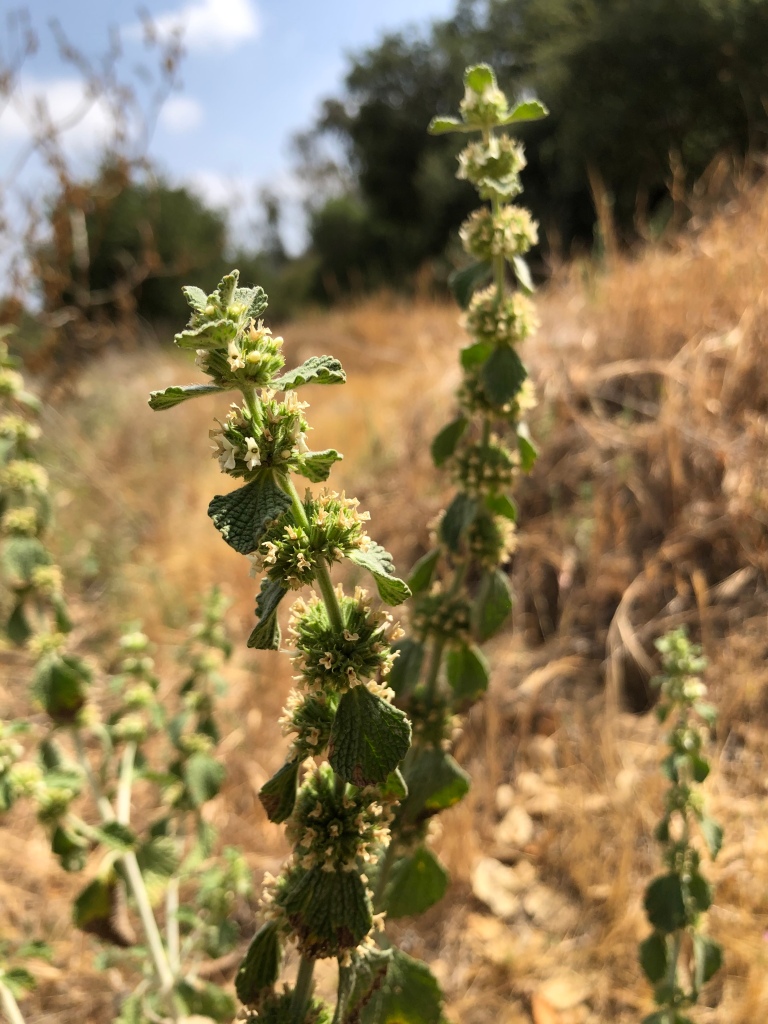
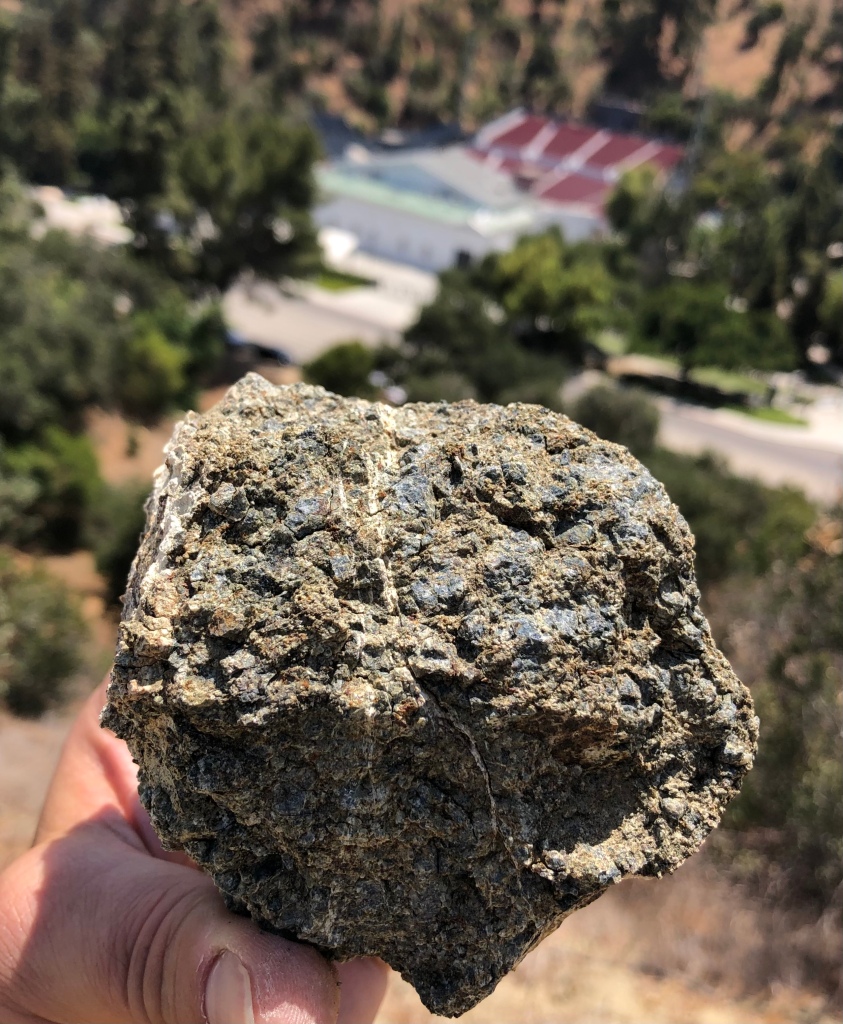
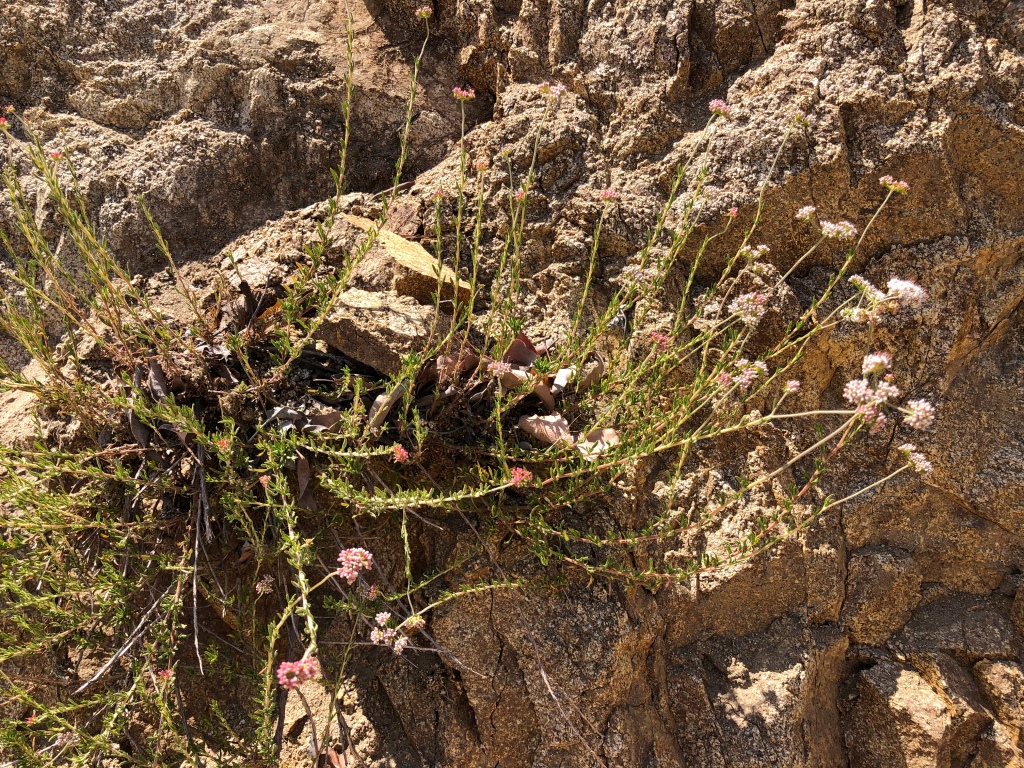
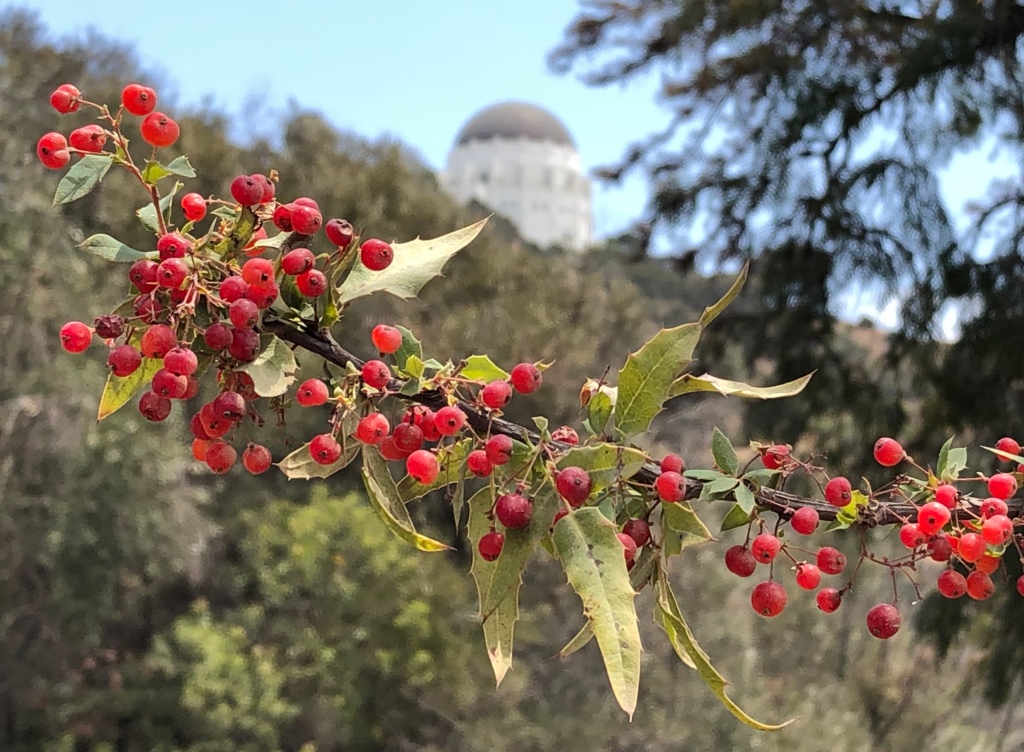
“Griffith Park is 125. It looked 125 five years ago. It will look it twenty years from now. I hate parks.”Holly-leaf cherry, Prunus illicafoliaToyon, Heteromeles arbutifolia. It is the official native plant of the City of LA.Covellite, a secondary volcanic rock.The gorgeous Nevins Barberry, Mahonia nevinii, is one of the rarest plants in the California Floristic Province. Around 500 wild individuals of the species are recorded, and most of those occur in Griffith Park.













































 The Valley Village View